
Trump Addresses Health: Aspirin Regimen, Scan Type and Lifestyle Choices in Journal Interview
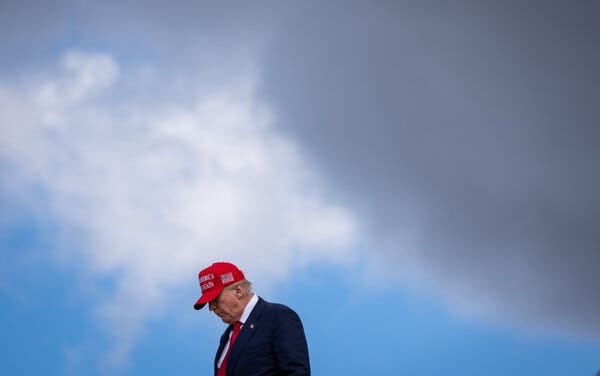
US President Donald Trump told The Wall Street Journal he is in "perfect" health, consumes a higher daily dose of aspirin than some doctors recommend, and underwent a CT scan rather than an MRI. The interview covered his medical routine, recent testing and his approach to exercise and visible bruising.
Trump, who the Journal identified as 79 and the oldest president inaugurated in US history, said he has taken a larger-than-recommended aspirin dose for about 25 years. He told the newspaper he takes 325mg per day rather than the lower 81mg dose that some physicians recommend.
"They say aspirin is good for thinning out the blood, and I don't want thick blood pouring through my heart," Trump told the Journal. He acknowledged that the higher dose contributes to easy bruising but said he prefers not to change a long-standing routine. "I'm a little superstitious," he said.
The Mayo Clinic guidance cited by the Journal notes that the risk of heart attack and stroke increases with age and that low-dose aspirin can help prevent both by thinning the blood and preventing clots. The clinic also warns that the risk of bleeding increases with age and states that aspirin therapy daily doses range between 75mg and 325mg.
Trump addressed recent descriptions of a medical imaging test, saying he had previously told reporters he underwent an MRI but clarifying to the Journal that "it wasn't an MRI. It was less than that. It was a scan." Navy Capt. Sean Barbabella, a physician for the president, provided a statement to the newspaper confirming Trump had undergone a CT scan.
Barbabella said the CT scan was performed "to definitively rule out any cardiovascular issues" and that the testing revealed no abnormalities. In his statement, the doctor also called Trump in "exceptional health and perfectly suited to execute his duties as Commander in Chief."
The president discussed a diagnosis of chronic venous insufficiency, a condition noted by the Journal as common among older adults. He said he was advised to wear compression socks but declined because he did not like them. Instead, Trump said he now rises from his desk more often, which he said has reduced swelling in his legs.
On activity and exercise, Trump said he does not engage in regular workouts, aside from golfing. "I just don't like it. It's boring," he told the Journal, referring to activities such as walking or running on a treadmill.
Trump also denied reports that he has trouble hearing or that he fell asleep during recent White House events. He told the newspaper he sometimes closes his eyes because he finds it "relaxing" and suggested photographers sometimes capture him mid-blink. "Sometimes they'll take a picture of me blinking," he said.
The president addressed visible bruising on his hands that has been noted in some photographs. He said he keeps makeup on hand to cover such marks, describing it as quick to apply. "I have makeup that's, you know, easy to put on, takes about 10 seconds," he told the Journal.
Trump opened an "impromptu phone call" with the Journal as the newspaper prepared to publish its story, expressing irritation at ongoing public debate over his health. "Let's talk about health again for the 25th time," he said, according to the report.
The interview and related statements come amid heightened public scrutiny of the president's age and fitness for office. The Journal reported that Trump denied having nodded off at public meetings and pushed back on suggestions he has difficulty hearing or remaining alert.
Barbabella's statement to the Journal reiterates the medical team's assessment of the president's condition following testing and evaluation. Beyond the CT scan results and the chronic venous insufficiency diagnosis, the physician described the president's overall health as suitable for carrying out presidential duties.
Trump's comments on aspirin use, imaging tests, exercise habits, and the use of makeup to cover bruising provide additional detail to public accounts of his health. He framed his choices—continuing a long-standing aspirin routine and preferring limited exercise—as personal decisions informed by habit and preference.
The Journal's coverage and the president's responses underscore the continued public interest in the health of the nation's leader. The disclosures in the interview focus on routine medical choices and clarification of the type of cardiac imaging performed, while also addressing questions about alertness and physical signs such as bruising.
Trump's predecessor, Democratic President Joe Biden, was reported to have dropped out of the 2024 election race after a stumbling debate with Trump raised questions about his age and mental sharpness, a development noted toward the end of the Journal's reporting on the president's health.
Key Topics
Donald Trump's Health, Aspirin Dosage, Low-dose Aspirin Benefits, Ct Scan Versus Mri, Presidential Medical Evaluation, Chronic Venous Insufficiency, Compression Socks Advice, Cardiovascular Screening Results, Bruising And Makeup Concealment, Exercise Habits And Golfing, Age And Fitness For Office, White House Physician Statement, Public Scrutiny Of Presidential Health