
Trump administration climate moves tied to rise in U.S. emissions, scientists say
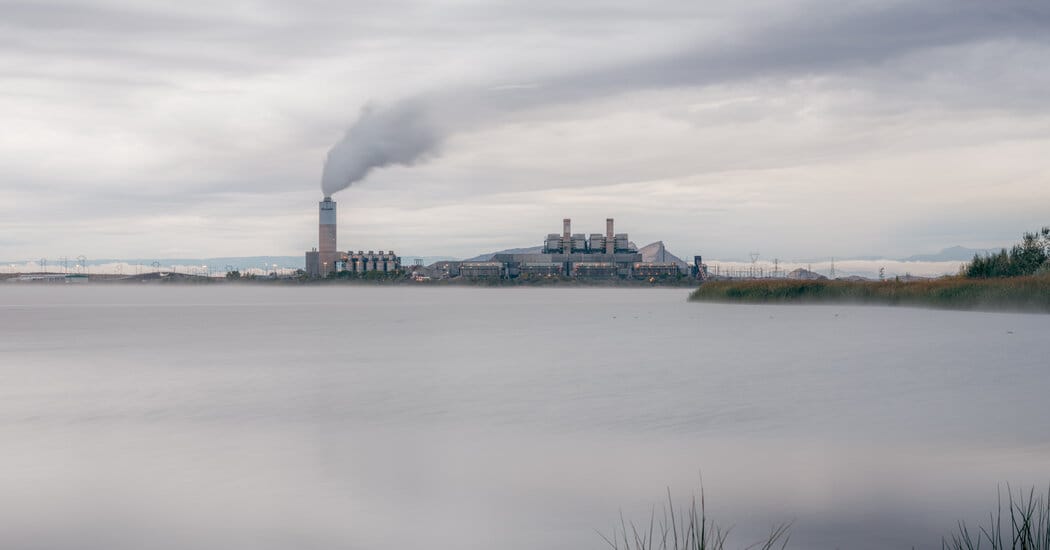
President Trump has embraced fossil fuels and withdrawn the United States from the main international climate treaty, actions that scientists say will make it hard to keep global warming at safe levels. Federal data show America’s greenhouse gas emissions from burning coal, oil and gas rose 1.9 percent after Mr.
Trump returned to office, a rise researchers attributed to increased use of coal. The administration has seized Venezuela’s crude oil, forced five coal-fired power plants to remain operating, halted five partly built offshore wind farms, eliminated regulations and federal subsidies for clean energy and removed incentives for electric vehicles, while also imposing policies that make it easier to produce and burn oil, gas and coal.
Scientists quoted in the report warned that the moves will raise emissions and undermine global efforts: “Emissions will be higher,” Justin S. Mankin said, and Katharine Hayhoe said “every action matters and every ton of carbon matters.” Some researchers said emissions should ultimately fall again because renewables remain cheaper, but the decline could be slower and smaller than needed.
Calculations are complicated because some policy changes have not yet taken effect; an Environmental Defense Fund study cited in the article found some actions could add 32 billion metric tons of pollution by 2055.
Key Topics
Politics, Trump Administration, Venezuelan Crude, Coal-fired Power Plants, Offshore Wind Farms, Environmental Defense Fund