
Trump Signals Potential U.S. Action to 'Rescue' Iranian Protesters Amid Demonstrations Over Living Standards
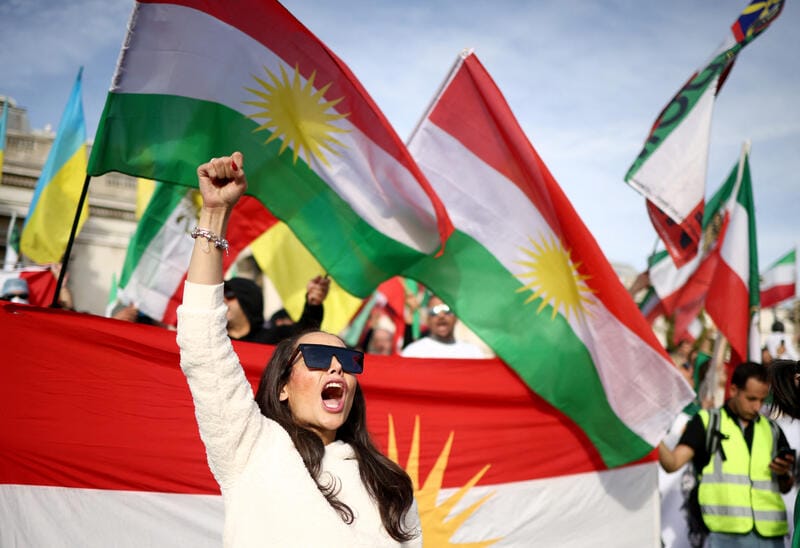
President Donald Trump warned that the United States would "rescue" protesters in Iran, a statement that followed days of demonstrations over living standards. The president's remark raises prospects of heightened U.S.-Iran tensions and highlights the diplomatic and legal complexities that follow public threats of intervention.
Details about the president's statement, including any operational plans or timelines, were not provided in the material available. What is clear from the brief account is the sequence: demonstrations related to living standards have been occurring for multiple days, and the president publicly addressed the situation with an explicit promise to come to the protesters' aid.
Public declarations by a head of state that suggest intervention in another country can have multiple effects. They may aim to signal support to domestic or foreign audiences, place pressure on the target government, or lay rhetorical groundwork for future policy. At the same time, they can complicate diplomatic channels and increase the risk of escalation if not paired with clear, legally grounded plans.
Under widely accepted principles of international relations and law, states are expected to respect the sovereignty and territorial integrity of other states. Any form of intervention that involves the use of force is subject to strict legal constraints, including the need for Security Council authorization or a recognized right of self-defense, neither of which is described in the available material. The available account does not indicate whether the president's declaration was meant to be rhetorical, a prelude to non-military measures, or a statement of intent to pursue direct action.
Beyond the legal questions, there are practical considerations. Conducting any form of rescue operation in another country entails complex logistics, intelligence, and cooperation — or, absent that cooperation, significant risk. The precise nature of the threatened action — whether evacuation of specific individuals, safe passage corridors, asylum provisions, or more robust measures — is not identified in the information provided.
Responses from other international actors, including allies and regional partners, are not recorded in the material. In comparable situations, allied governments typically weigh the potential benefits of supporting residents or dissidents against the risks of entanglement and the diplomatic costs of confronting another state. Multilateral organizations often call for restraint, protection of civilians, and respect for human rights, but no such reactions are noted here.
For protesters and citizens affected by demonstrations over living standards, external commitments of support can offer moral backing and international attention. They can also alter the dynamics on the ground by changing how local authorities perceive and respond to unrest. The available account does not provide information on the protesters' demands beyond concerns about living standards or on any concrete changes in the situation following the president's statement.
Domestically, high-profile remarks by a president about foreign interventions can have political resonance. They may be perceived as an assertion of leadership and a demonstration of willingness to act in support of human rights or democratic movements. Conversely, they can draw criticism if perceived as unnecessarily provocative, legally unfounded, or disconnected from achievable objectives. The material does not indicate how the statement was received within the president's political environment.
Analysts and policymakers often note that the most effective responses to civil unrest and economic grievances combine immediate humanitarian assistance with longer-term engagement on governance and economic reform. External actors that seek to help generally have to calibrate their actions to avoid undermining the very populations they intend to support or creating conditions that worsen instability.
Given the limited information available, observers should note what is and is not stated: there were days of demonstrations focused on living standards, and the president publicly warned that the United States would "rescue" protesters. No operational details, timelines, or corroborating statements are provided in the material, and there is no record here of responses from the government in Iran, international organizations, or other states.
Moving forward, the situation could evolve in multiple directions depending on actions by the parties involved and responses from the international community. Key developments to watch would include any formal policy announcements outlining specific measures, communications through diplomatic channels, and on-the-ground changes in the scale or intensity of demonstrations. For now, the president's declaration stands as a significant rhetorical escalation tied to protests over living standards, with attendant legal, diplomatic, and operational questions that remain unanswered in the available account.
Key Topics
Trump Threat To Rescue Protesters, U.s.-iran Tensions, Protests Over Living Standards, International Law On Intervention, State Sovereignty And Territorial Integrity, Un Security Council Authorization, Right Of Self-defense, Diplomatic And Legal Constraints, Rescue Operation Logistics, Evacuation And Asylum Options, Risk Of Escalation And Conflict, Allied And Regional Responses, Humanitarian Assistance Strategies, Impact On Domestic Politics, Protection Of Civilians And Human Rights