
Trump threatens Iran with military strikes, raising risk of regional war
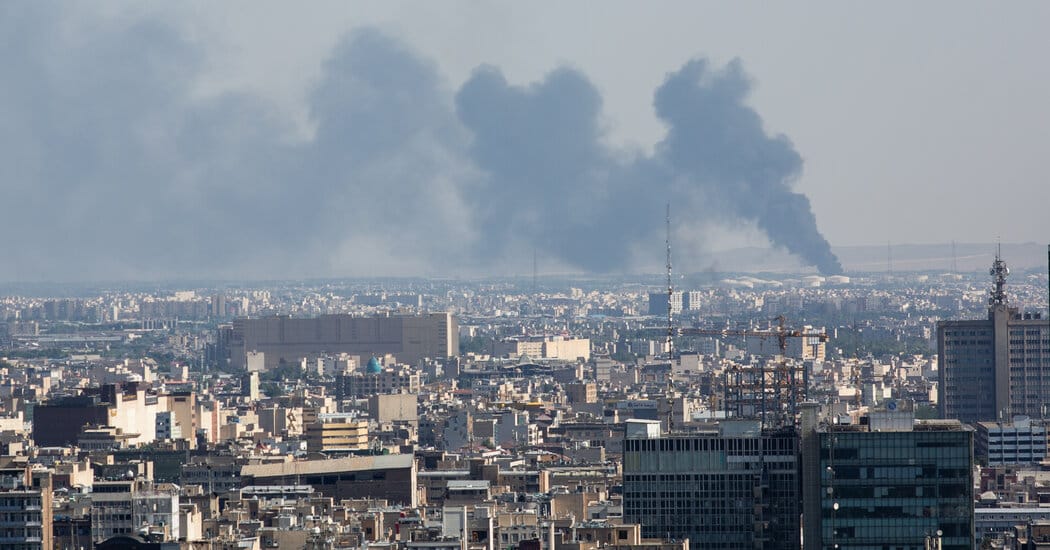
President Trump is turning his attention back to Iran and on Jan. 29 warned that he could order more military strikes "with great power, enthusiasm and purpose" if Tehran did not meet U.S. demands, including a deal to end its nuclear enrichment program. He said "time is running out," according to the report.
The Islamic Republic is described as weakened by June airstrikes and widespread unrest, and it has warned it would strike back hard if attacked. Iran said the death toll in the protests was 3,117, a figure that human rights groups say is vastly underestimated, and Iranian officials say their forces remain capable of hitting American and allied targets across the region.
Analysts say Mr. Trump and Israel may be tempted to act now to try to bring down the faltering Iranian regime, but that any U.S. strikes carry the risk of a wider regional conflagration. The report notes Mr. Trump’s preference for short, limited military actions, citing June strikes against Iran and this month’s quick incursion into Venezuela to kidnap President Nicolás Maduro, and quotes Ali Vaez of the International Crisis Group: "Trump likes low-cost, high-impact operations." Washington’s demands of Iran, the article says, have expanded to include a permanent end to all uranium enrichment and disposal of existing stockpiles; limits on the range and number of Iran’s ballistic missiles; and an end to support for proxy groups including Hamas, Hezbollah and the Houthis.
donald trump, iran, nuclear enrichment deal, end uranium enrichment, disposal of stockpiles, june airstrikes, tehran airstrikes june, tehran protests death toll, 3,117 death toll, human rights groups, ballistic missiles limits, support for proxy groups, hamas hezbollah houthis, hamas, hezbollah, houthis, risk of regional conflagration, middle east balance of power, short limited military actions, low-cost high-impact operations, venezuela incursion, nicolás maduro, american forces in region, ali vaez, international crisis group, abbas araghchi, suzanne maloney, brookings institution, sanam vakil, chatham house