
Twin sisters describe how synaesthesia shapes their perception
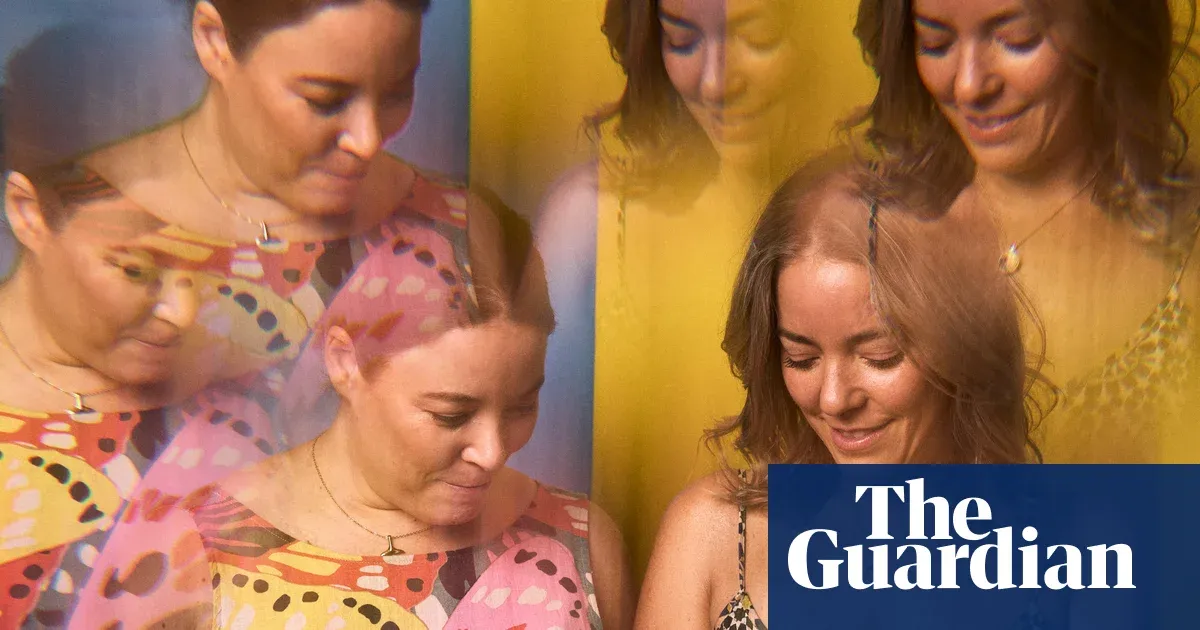
Helen Besgrove and her twin sister, Kirsty, tell The Guardian that their experiences of synaesthesia make sounds, tastes, smells, words and motion highly visual: everything has a colour and a texture in their mind’s eye. The sisters say the actual colours and textures often differ between them — for example, Helen describes a glass of chardonnay as swirls of “custardy oil” while Kirsty calls the same wine “fuzzy” or “blobby” — and they both see people’s personalities as coloured, textured auras.
They recall arguing about the colours of words on a family car trip to Queensland as children, and first learned the term synaesthesia at 19 in a Macquarie University radio production class. A psychology researcher, Anina Rich, later studied the twins because they are twins and their participation helped reveal that their experiences go beyond auditory-visual associations.
Both sisters describe practical effects: Helen says her synaesthesia gives her extra sensory stimuli that helped her place highly in a Nespresso blind coffee tasting competition and aided wine tasting, while Kirsty, a doctor, says mirror-touch synaesthesia sharpens her memory and can make her feel patients’ pain, sometimes leading her to spend extra time with them.
They also note drawbacks, such as confusing people when two names share the same colour and difficulty with left–right because the words and concepts are different colours to them.
Key Topics
Health, Synaesthesia, Helen Besgrove, Kirsty Neal, Anina Rich, Macquarie University