
Type of stretching affects injury prevention, says Leeds Beckett biomechanics lecturer
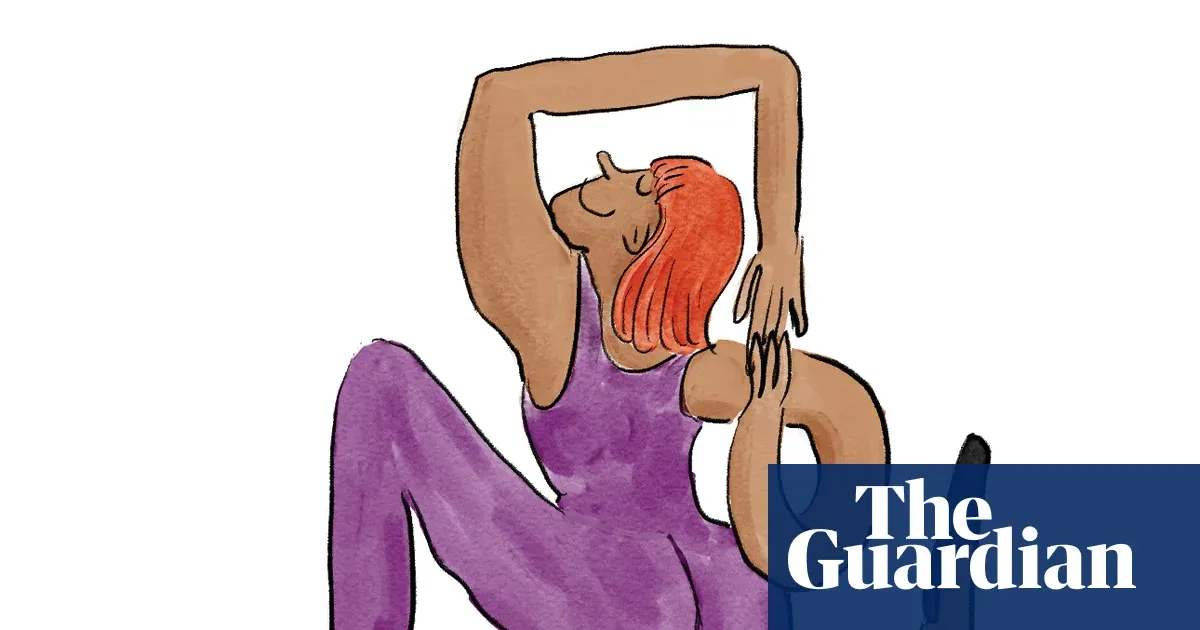
Dr Alex Dinsdale, senior lecturer in sport and exercise biomechanics at Leeds Beckett University, says whether stretching before exercise prevents injury depends on the kind of stretching you do. He notes injuries can result from many causes, from poor footwear to fatigue, and that two key factors are lacking the required range of motion or not being strong enough to control that motion.
When people talk about stretching they usually mean static stretching: holding a pose for six seconds or longer to elastically deform the muscle. “Static stretching can increase your range of motion, but it also decreases the force a muscle can apply by about 5%,” Dinsdale says. By contrast, dynamic stretching — moving through a stretch with exercises such as bodyweight squats or walking lunges — has more balanced benefits and “can increase the muscle’s capacity to produce force.” For most people Dinsdale recommends a warm-up of light movements similar to the workout ahead, such as a fast walk before jogging, to increase muscle temperature and help muscles produce force and gain some range.
After that, a few dynamic stretches can guide the body through the motions you will perform, and he suggests finishing with powerful movements to prime the neuromuscular system — 'a few jumps, or a short, sharp sprint'.
Key Topics
Health, Alex Dinsdale, Leeds Beckett University, Static Stretching, Dynamic Stretching, Warm-up