
Ukraine conflict accelerates deployment of semiautonomous strike drones
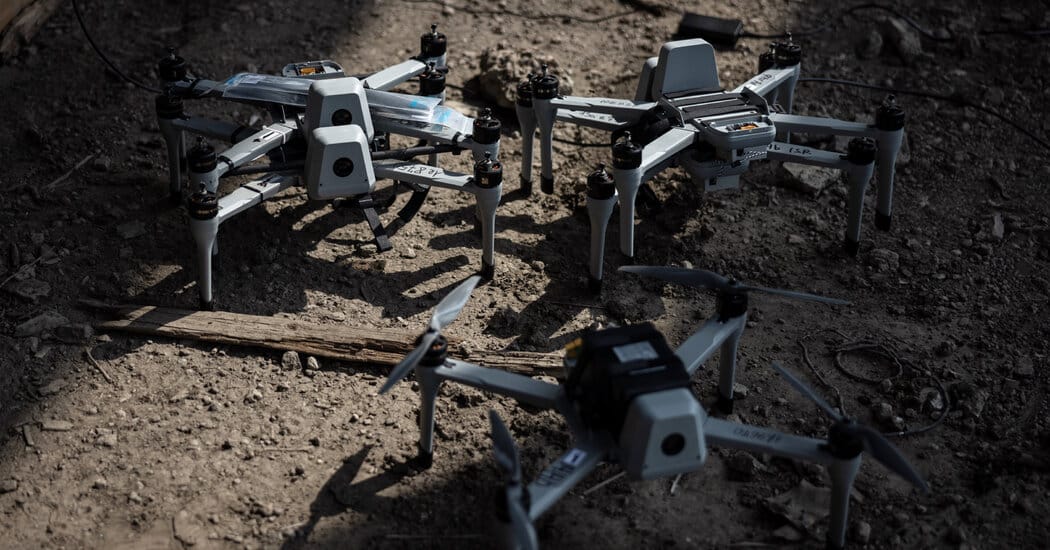
During 2025 the war in Ukraine has become a testing ground for semiautonomous combat drones that can lock on and pursue targets without continuous human control. Ukrainian pilots used a Bumblebee drone, developed by a venture led by Eric Schmidt, to strike a building near Borysivka after switching the aircraft into autonomous mode.
Manufacturer materials said Bumblebees had flown more than 1,000 combat missions by last spring, and pilots reported thousands more since. Russian technical reports examining downed Bumblebees noted high-quality components and warned the technology would expand. Ukrainian engineers have produced aftermarket autonomy kits as well.
NORDA Dynamics’ Underdog module lets pilots “pixel lock” a target and hand terminal control to onboard software. Tests advanced from stationary targets to moving ones and extended pixel-lock range to about 2,000 meters by mid-2025. By year’s end NORDA said it had supplied frontline units with more than 50,000 Underdog modules.
Ethicists and some technologists warn of the dangers. Peter Asaro said, “The development of increasing autonomy in drones raises serious questions about human rights and the protection of civilians in armed conflict.” Developers and operators stress human oversight, but some systems can already identify and track targets without further intervention.
Key Topics
AI, World, Drones, Ukraine, Autonomous Weapons, Warfare