
Urban geology walks reveal fossils and imported stones across central London
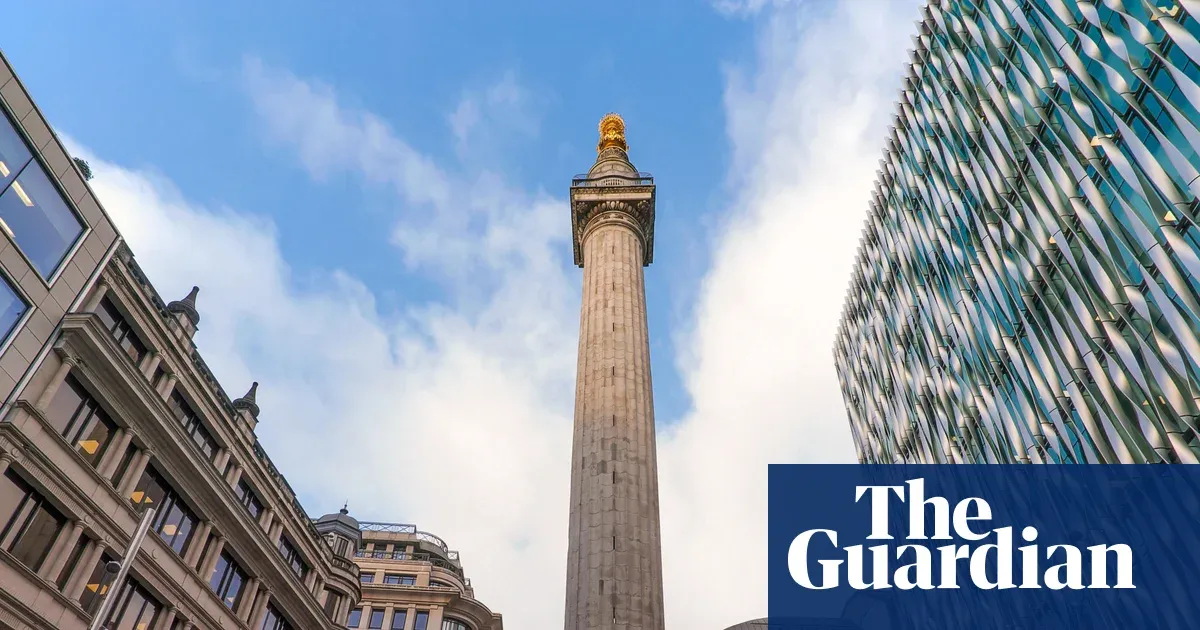
Dr Ruth Siddall is leading urban geology walking tours around central London that point out the stones and fossils embedded in the city’s architecture — including a 150m-year-old ammonite set in a limestone wall on Plantation Lane. The tours highlight a wide range of building materials and fossil evidence: York stone paving described as a 310m-year-old sandstone with preserved ripples; a Monument base of Portland stone crammed with Jurassic oyster shells and shrimp burrows; and steps at St Paul’s holding 30cm-long fossilised orthocones.
Participants also see serpentinite from the Italian Alps, 290m-year-old larvikite from Norway, gneiss from a South African meteorite impact crater patterned with impact glass, and other stones sourced from places such as Australia, Brazil and China. Siddall’s interest in street-level geology began after a post-PhD project cataloguing rocks from Greek ruins in Athens and was encouraged by the work of urban-geology pioneer Eric Robinson.
Around 10 years ago she and fellow geologist Dave Wallis helped establish London Pavement Geology, a website and app that lists geological sites in the capital and beyond. The guided walks offered through London Walks run for about two hours and, the organiser says, will this year run on a roughly monthly basis starting in spring; group tours are listed at £20 for adults.
Key Topics
Science, Ruth Siddall, London Pavement Geology, St Paul's Cathedral, Plantation Lane, York Stone