
Ursids meteor shower peaks Dec. 21–22 and will be visible in Northern Hemisphere
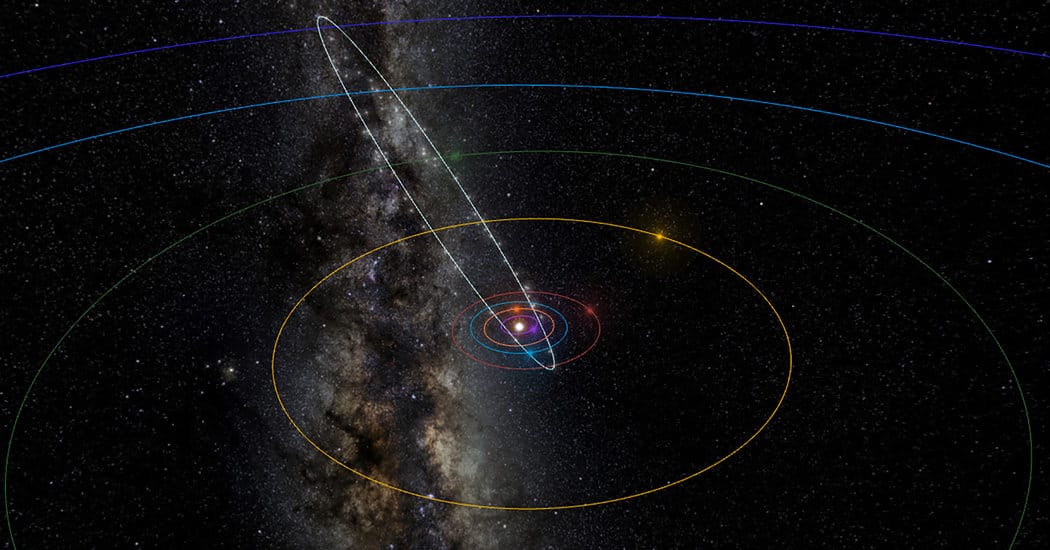
The Ursids meteor shower is active and will reach its peak Sunday night into Monday morning, Dec. 21 to 22, with the shower expected to continue through Dec. 26. Only observers in the Northern Hemisphere will have a chance of seeing the display.
Meteors from the Ursids appear near the Little Dipper in the constellation Ursa Minor. The moon will be only 3 percent full during the peak, according to the International Meteor Organization, and a meter based on Global Meteor Network data can show when real‑time fireball activity increases in the coming days.
Meteor showers occur when Earth passes through debris left by a comet or asteroid; the fragments burn up in the atmosphere and appear to radiate from a single point in the sky. Michelle Nichols, director of public observing at the Adler Planetarium, recommends against using telescopes or binoculars, saying, "You just need your eyes and, ideally, a dark sky." She also urged viewers to give their eyes at least 30 minutes to adjust, to wear layers and to expect it to get chilly while watching.
Best viewing conditions are a clear, moonless sky between midnight and sunrise, away from light pollution; planetariums, local astronomy clubs or maps can help find darker sites. The American Meteor Society says some showers can produce up to 100 streaks an hour, though the Times article notes most people are unlikely to see that many.
Key Topics
Science, Ursids, Ursa Minor, Little Dipper, International Meteor Organization, Global Meteor Network