
U.S. aid cut halted neglected tropical disease program in Cameroon, raising resurgence fears
Health officials warn that neglected tropical diseases such as onchocerciasis (river blindness) could resurge in parts of Africa after U.S. cuts to foreign aid in 2025 halted a U.S.A.I.D.-funded neglected tropical disease (N.T.D.) program that supported drug distribution and surveillance in countries including Cameroon.
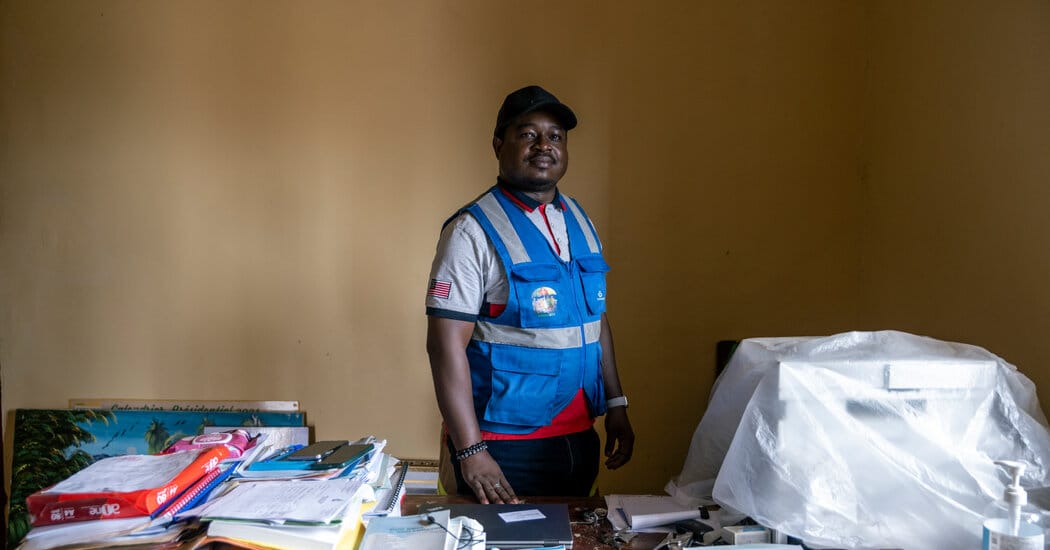
In central Cameroon, community health workers had delivered annual doses of ivermectin door to door since 1994 to control river blindness, a program that the reporting says relied on about $115 million a year from U.S.A.I.D. When that funding was cut, the drug distribution was interrupted and "we’ve had so many complaints, people saying, ‘We’re not getting, you didn’t come,’" Dr.
Vivien Sil Mabouang, the district health chief in Obala, said. The World Health Organization classifies 21 neglected tropical diseases that together affect more than a billion people; they are rarely fatal but can cause pain, disfigurement and disabilities such as blindness. The United States had paid for key steps that got donated drugs from ports to people, including trucking, training and stipends for health workers, and for costly surveillance surveys.
"Government resources do not permit national surveys," said Dr. Emilienne Epée, who leads the N.T.D. department in Cameroon’s Ministry of Health; the only N.T.D. control in Cameroon in 2025 was a distribution in one district using leftover supplies. The W.H.O.
u.s.a.i.d. funding cut, u.s. aid cut 2025, onchocerciasis resurgence fears, river blindness cameroon, ivermectin distribution halted, n.t.d. surveillance surveys, world health organization, dr. vivien sil mabouang, dr. emilienne epée, obala district, afamba river, community health workers