
US attack on Venezuela raises stakes over South America’s mineral future
The United States carried out its first overt attack on an Amazon nation last weekend, targeting Venezuela in what the Guardian describes as a new phase in Washington’s extractivist rivalry with China. The action appears aimed not only at Venezuela’s government but at the country’s oil and wider mineral wealth.
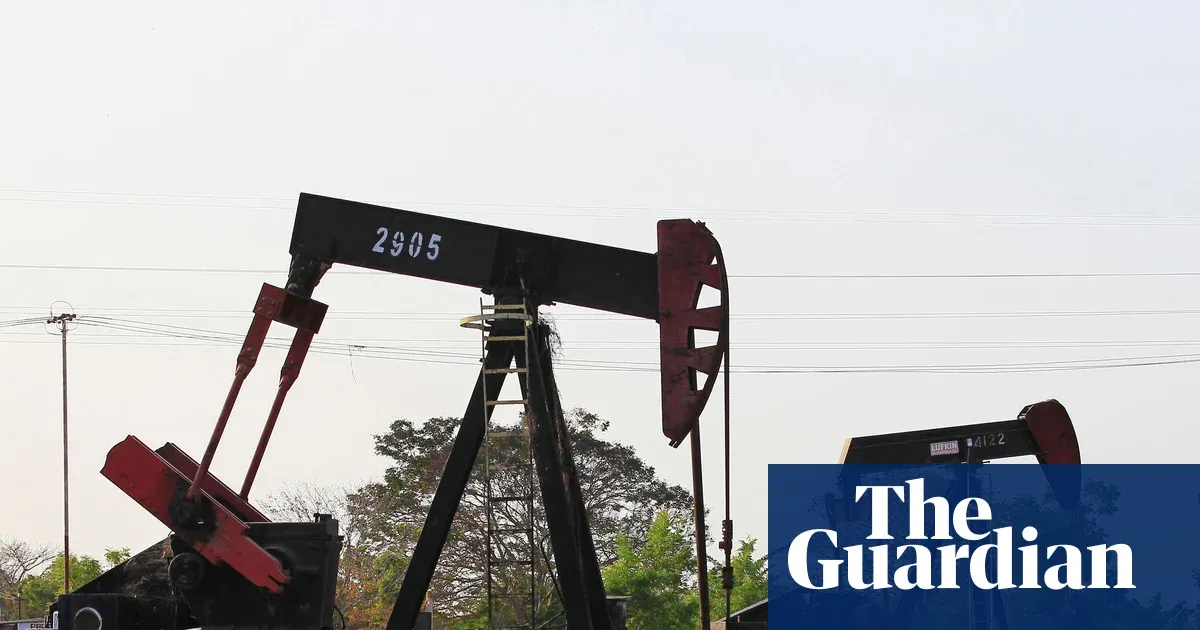
The article notes the Orinoco Belt holds more than 300bn barrels — about a fifth of global stock — and quotes Donald Trump saying US companies would tap those fuels. It also describes Venezuela’s oil infrastructure as degraded after sanctions and underinvestment, with falling output and a ranking of 22nd among the world’s oil exporters even before a US naval quarantine.
The piece says the Trump administration’s national security strategy prioritises reducing dependence on foreign powers and expanding access to critical minerals, and that the US aims to eject adversarial outside influence — implicitly China — from the region. The article highlights China’s growing role in processing and transport infrastructure, and notes concerns after China last year threatened to withhold exports of key minerals.
South America’s deposits are listed as strategically important: Brazil has large critical-mineral deposits and leads in niobium production, Bolivia has the world’s biggest known lithium deposits, and Chile, Peru and Colombia are thought to hold important rare earths.
Key Topics
World, Venezuela, Orinoco Belt, China, Lithium, Critical Minerals