
U.S. capture of Venezuela’s Maduro divides Latin American leaders
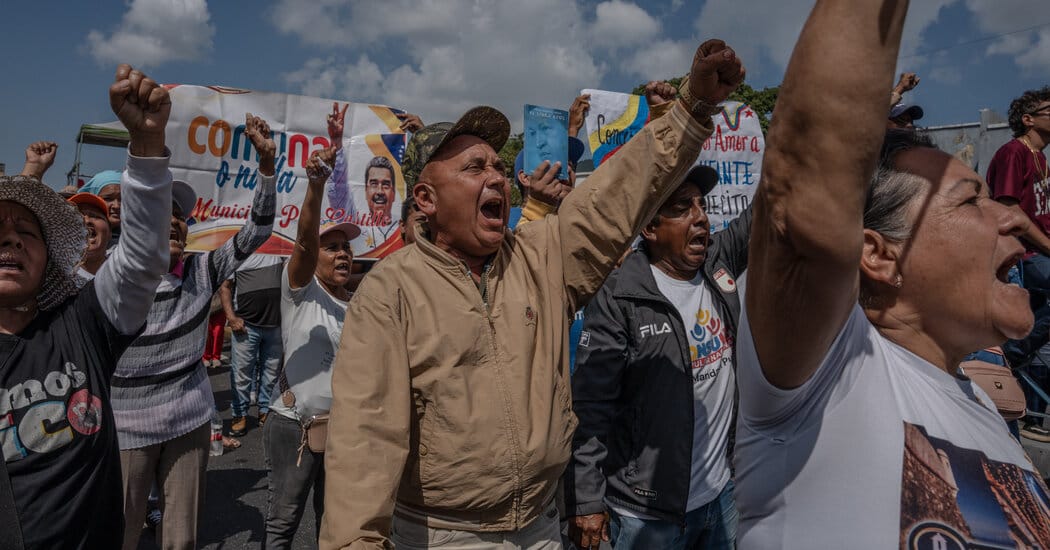
The United States’ seizure of Venezuela’s president, Nicolás Maduro, on Jan. 3 has scrambled politics across Latin America, prompting urgent and divergent responses from regional leaders. The region split along ideological lines: Brazil, Mexico and Colombia, led by leftist presidents, publicly criticized the U.S.
action, while right-wing governments including Argentina, El Salvador and Ecuador hailed it; smaller countries such as Guatemala and Peru largely stayed quiet. “All of the countries are trying to avoid a conflict with Trump,” said Jorge G. Castañeda, a former Mexican foreign minister.
Individual reactions reflected different pressures. Mexico’s President Claudia Sheinbaum has rejected foreign military intervention and offered cautious public language, saying "Intervention has never brought democracy, never generated prosperity and never created lasting stability," even as her government has stepped up anti‑cartel efforts to deter U.S.
strikes. Brazil’s Luiz Inácio Lula da Silva condemned the raid as "yet another extremely dangerous precedent," while trying to preserve ties with Washington and exploring a preliminary diplomatic coalition with Colombia. Colombia’s Gustavo Petro initially reacted sharply online but later took a conciliatory tone after a nearly hourlong call with President Trump, partly brokered by Senator Rand Paul; the two agreed to meet and Petro pledged to fight drug cartels, continuing coordination with U.S.
Key Topics
World, Nicolás Maduro, President Trump, Claudia Sheinbaum, Lula, Gustavo Petro