
U.S. naval pressure in Venezuela revives 'gunboat diplomacy'
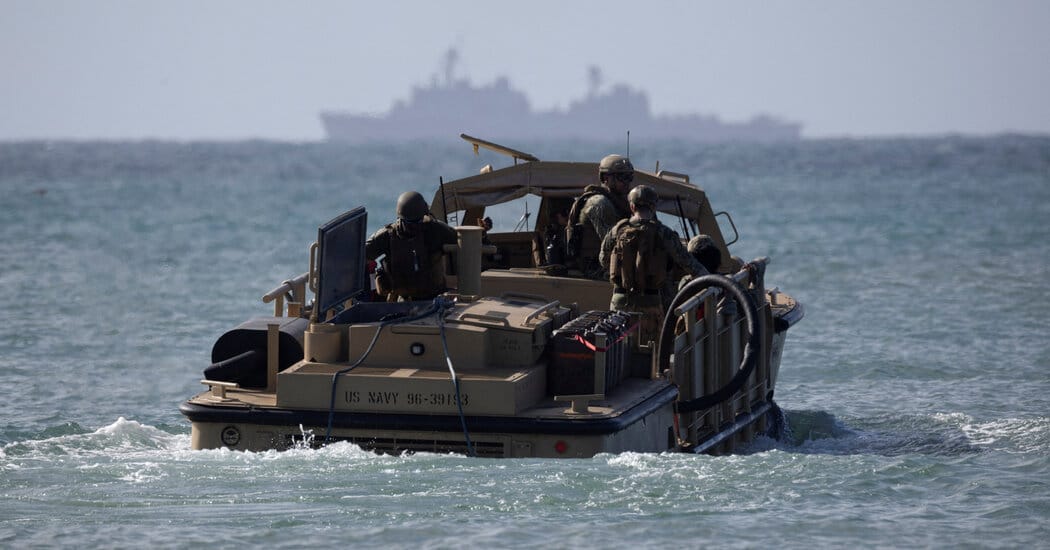
The U.S. operation that captured President Nicolás Maduro in Caracas was swift and involved helicopters carrying commandos, fighter-jet support and a cyberattack; it has formed part of a broader American pressure campaign that has relied on naval force often described as "gunboat diplomacy." Last year the U.S.
military built up a large naval presence in the Caribbean and in December began enforcing a blockade on sanctioned oil tankers to pressure Mr. Maduro’s government. In recent days U.S. vessels chased tankers across the Caribbean and Atlantic and seized two, and President Trump announced plans for a new "Trump class" of Navy warships less than a month ago.
Gunboat diplomacy traditionally means using threats or displays of naval force to coerce a sovereign state and is traced in the American context to Commodore Matthew Perry’s 1853 expedition to Japan; it also influenced Theodore Roosevelt’s so-called "Big Stick" approach. The practice saw its heyday in the 19th and early 20th centuries, including British actions in the First Opium War and a 1908 Dutch naval response to Venezuela.
Experts say there are important differences between past examples and recent U.S. actions. The operation that captured Mr. Maduro was not merely posturing: about 40 Venezuelans and at least 30 Cubans were killed, and the C.I.A., parts of the Justice Department and multiple military components were involved.
Key Topics
World, Nicolás Maduro, United States Navy, Venezuela, Oil Tankers, Naval Blockade