
U.S. plan to revive Venezuelan oil could squeeze Canada’s heavy-oil exports
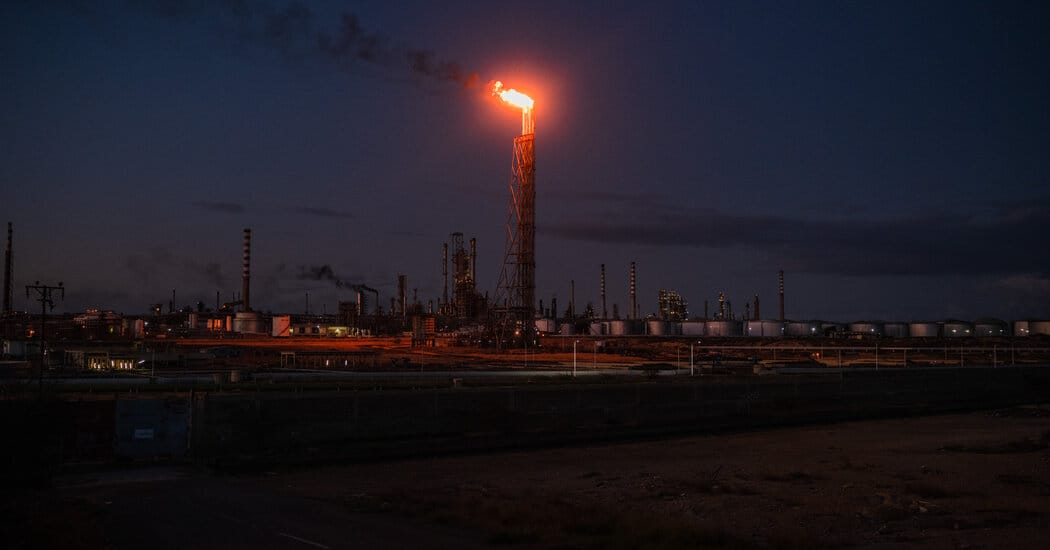
Experts say a U.S. action to revive Venezuela’s oil industry is likely to have ripple effects on Canada’s oil sector, forcing Ottawa and Alberta to intensify efforts to diversify beyond the United States market. President Trump’s plan, described as involving U.S. companies returning to spend “billions of dollars” to repair Venezuelan infrastructure and sell large amounts of oil globally, poses a particular challenge because Canada and Venezuela both produce heavy, difficult-to-refine crude and have historically relied on American refineries to buy it.
When U.S. sanctions largely barred Venezuelan imports, Gulf Coast refineries that could handle heavy crude turned to Alberta’s oil sands instead, and until 2024 virtually all of Canada’s oil exports went to the United States. Analysts quoted in the report said that expanding Venezuelan exports could accelerate Canadian efforts to find other markets.
Rory Johnston of Commodity Context said the long-term way to increase Canadian optionality is pipeline capacity that does not only point to the United States; last year Prime Minister Mark Carney and Alberta Premier Danielle Smith conditionally approved construction of a pipeline to a new tanker port on British Columbia’s coast.
The United States’ existing pipeline networks may limit near-term effects—most Canadian exports currently go to Midwest refineries—but Rory Johnston warned that U.S. pipelines could not move large amounts of Venezuelan crude north without major investment.
Key Topics
World, Venezuela Oil, Alberta Oil Sands, Heavy Crude, Donald Trump, Alberta Pipeline