
U.S. refiners poised to gain as administration moves to control Venezuelan oil
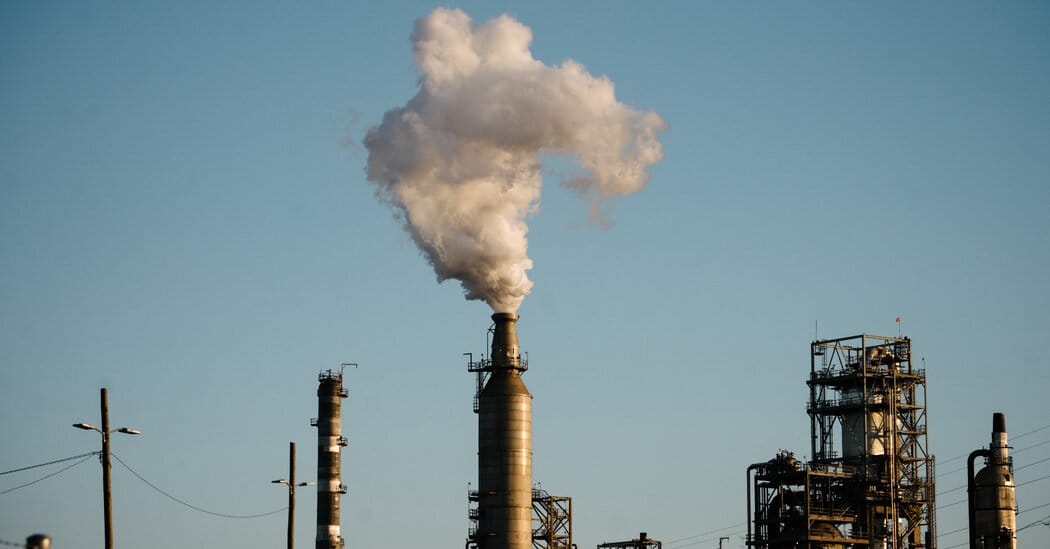
U.S. refining companies stand to benefit if the Trump administration’s plan to assert control over Venezuela’s oil industry leads to more Venezuelan crude flowing to the United States. Venezuela’s main crude is heavy, viscous and generally cheaper than many U.S. varieties, making it attractive to Gulf Coast refineries that were configured decades ago to process it.
Firms such as Valero Energy and Marathon Petroleum are positioned to profit because they do not need to send staff to Venezuela or make long-term production commitments, and investors have already reacted: PBF Energy shares climbed 15 percent since U.S. forces captured Nicolás Maduro, while Valero and Marathon rose about 10 percent and 6 percent, respectively.
"Having more Venezuelan crude available is nothing but upside for U.S. refineries," said Rick Weyen, a retired executive; Valero’s chief executive Lane Riggs said his company was "more than happy" to invest to produce more and that some refineries were "uniquely configured to run Venezuelan oil." The Trump administration sketched a plan to control Venezuela’s oil industry "indefinitely," beginning with 30 million to 50 million barrels, which are presumed to be stored in the country or on tankers.
Federal data show the United States imported about 506,000 barrels a day from Venezuela in 2018 before sanctions; by last fall those imports had fallen about 75 percent. Much of any stored oil is likely to flow to the U.S.
Key Topics
Business, U.s. Refineries, Valero Energy, Marathon Petroleum, Pbf Energy, Venezuelan Crude