
V for Vendetta’s warning looks truer 20 years later
Alan Moore famously distanced himself from the Wachowskis’ 2005 film adaptation of his graphic novel, saying it had been reduced to a debate about "current American neo-conservatism vs. current American liberalism," and he walked away when the movie arrived on March 17, 2006.
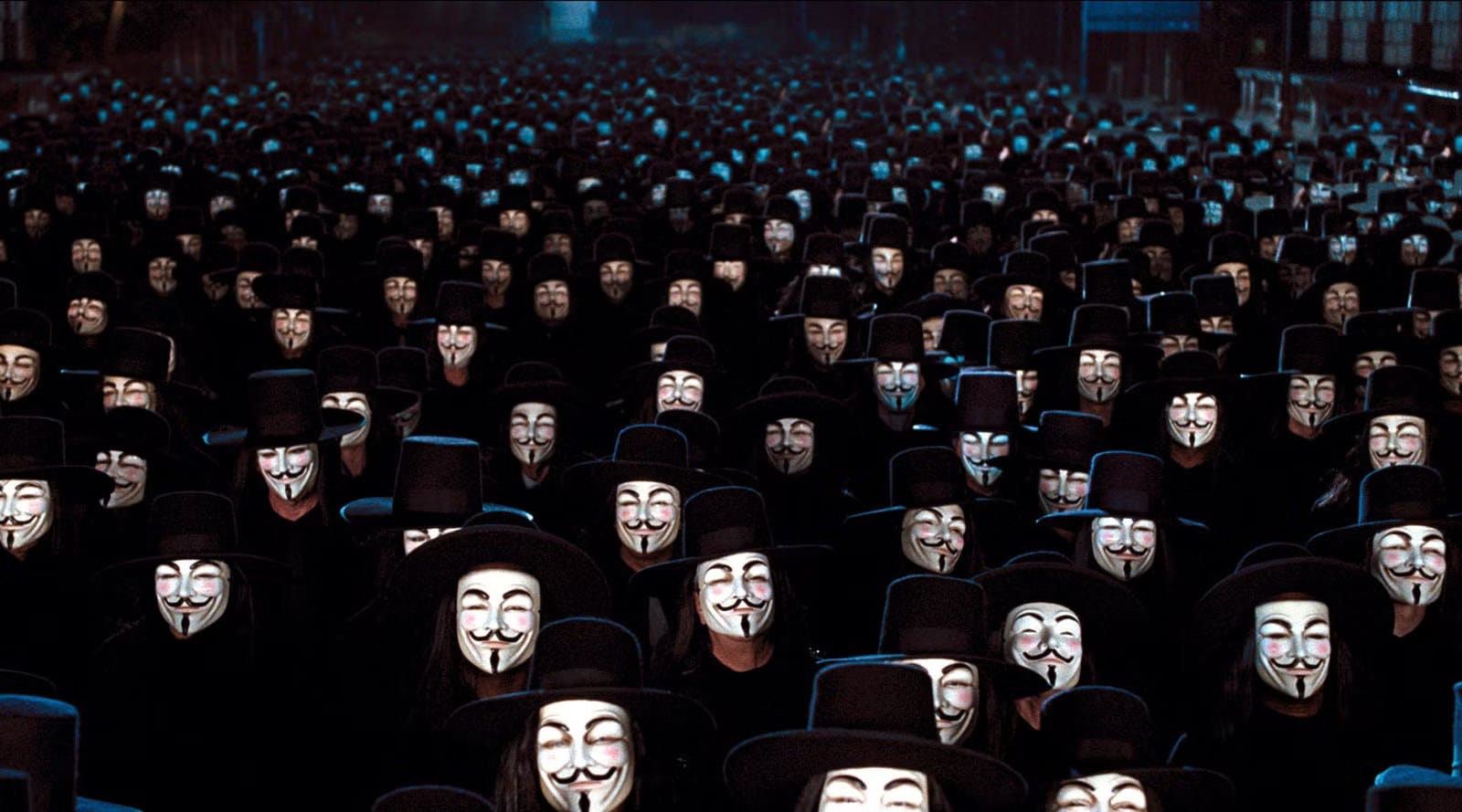
While that criticism still resonates, the film’s depiction of a Britain sliding toward authoritarianism has only become more pertinent with time. Set in a futuristic, dystopian Britain, the story follows V (Hugo Weaving), a Guy Fawkes–masked vigilante who recruits reporter Evey (Natalie Portman) to oppose a totalitarian Christian regime led by High Chancellor Adam Sutler (John Hurt).
V bombs The Old Bailey, hijacks the state-owned TV network and urges citizens to meet on the 5th of November to reclaim their government. The Wachowskis’ version carries an obvious American veneer — from Portman’s strained British accent to the film’s suggestion that the United States helped Norsefire prosper — which led critics to read it as a challenge to the George W.
Britain
vendetta, alan moore, wachowskis, hugo weaving, natalie portman, john hurt, guy fawkes, adam sutler, norsefire, authoritarianism