
Venezuela’s oil could shift markets if production recovers
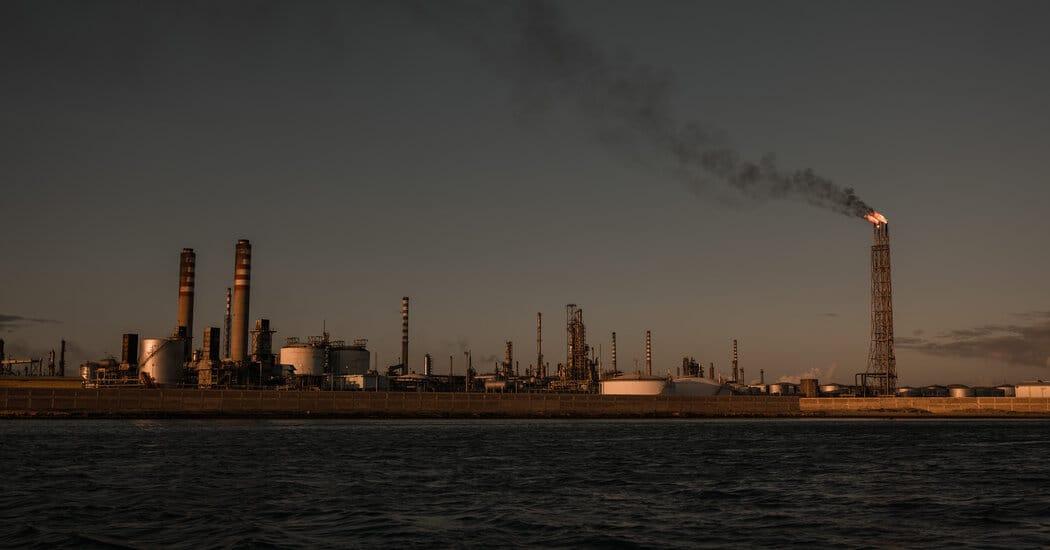
Oil markets have remained relatively calm since the ouster of President Nicolas Maduro of Venezuela on Saturday, reflecting how the country’s influence as a global energy player has dwindled in recent years. In the long term and under the right circumstances, Venezuela could attract investment and emerge as a force in the oil markets once again, analysts say.
Venezuela sits on what are ranked as the world’s largest untapped oil reserves but has little clout now because of domestic political turmoil, economic turbulence and punishing U.S. sanctions. The country was estimated to be producing 820,000 barrels a day in November; that figure could fall further in the short term because of a U.S.
naval blockade, yet Brent crude prices have been around $61 a barrel. Many analysts also say there may be too much oil in the early part of the year and that additional supply could push prices toward about $50 a barrel. Because Venezuela produces large amounts of extra heavy oil, even a modest revival could affect markets and reduce gasoline prices, analysts say.
"It could make a difference," said Debnil Chowdhury of S&P Global Energy. Energy analysts at Wood Mackenzie said that, in the right circumstances, Venezuelan output could rise by up to 300,000 barrels a day in the coming months, though reaching two million barrels a day is "another matter altogether for an industry already ravaged" by U.S.
Key Topics
Business, Venezuela, Nicolas Maduro, Us Sanctions, Extra Heavy Oil, Brent Crude