
Venezuela outcome warns against expecting U.S. pressure to topple Iran
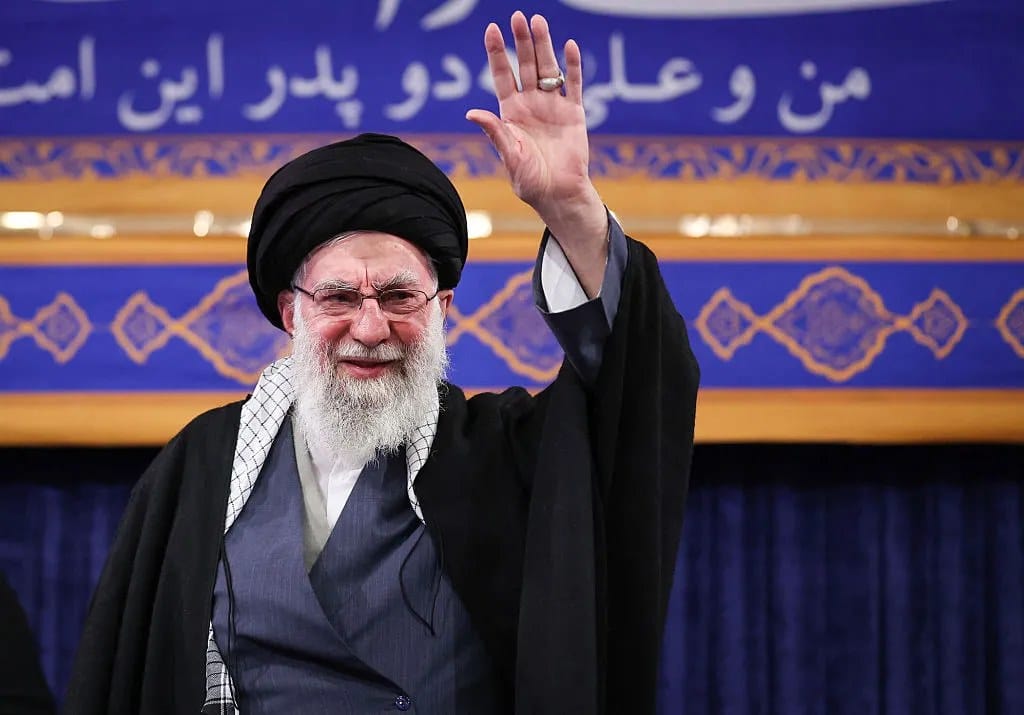
Time reports that early accounts of the U.S. ousting of Nicolás Maduro in Venezuela led some to speculate that Iran’s Supreme Leader Ali Khamenei could suffer the same fate, but the piece says that assumption is deeply flawed and dangerous for Iranians seeking meaningful political change.
Despite President Donald Trump’s rhetoric about controlling Venezuela, Maduro was captured by U.S. forces and flown to New York to face charges while his vice president, Delcy Rodríguez, was sworn in as interim president. Backed by the Supreme Court and much of the military, the regime’s core institutions did not collapse, opposition figures were excluded, and the system survived by adapting—suggesting Washington’s aim was leverage and a more pliable governing structure rather than democratization.
The report argues this distinction matters for Iran: Venezuela and Iran differ in structure and strategic environment, and weakened yet intact authoritarianism can become more violent and less accountable. Trying the Venezuela playbook on Iran risks miscalculation, greater repression at home even as Tehran seeks tactical accommodation abroad, and a regional imbalance as tensions with Israel rise; external coercion absent a credible internal political alternative, it warns, is unlikely to deliver freedom and may leave the Islamic Republic bruised but standing.
Key Topics
World, Nicolás Maduro, Delcy Rodríguez, Ali Khamenei, Donald Trump, Venezuela