
Venezuela shows signs of easing authoritarian controls after Maduro’s capture
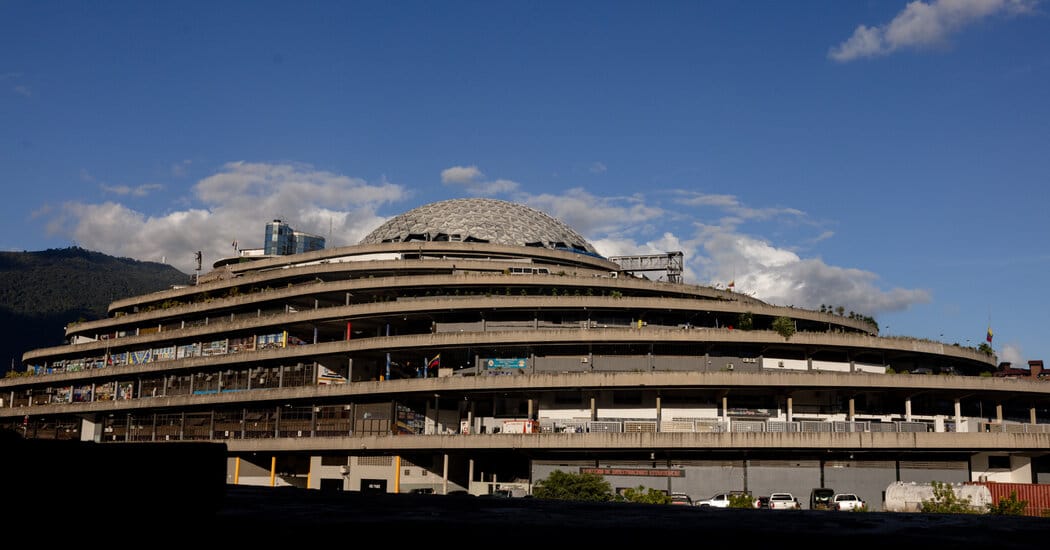
After U.S. forces captured Nicolás Maduro and removed him to the United States a month earlier, Venezuela’s interim president, Delcy Rodríguez, has announced plans to close El Helicoide and proposed a mass amnesty while tests of censorship limits and opposition figures emerging from hiding have prompted cautious hopes for democratic change, The New York Times reported Feb.
3, 2026. Ms. Rodríguez’s announcements included a proposal for a sweeping amnesty and the stated intention to close El Helicoide, a prison rights groups have described as a torture center. Details about the amnesty remain sparse, and some critics fear it could be broadened to provide immunity to government officials accused of rights violations; the Venezuelan government did not respond to requests for comment.
Skepticism and pushback have already appeared. After the private network Venevisión broadcast comments by opposition leader María Corina Machado, Interior Minister Diosdado Cabello threatened the network and Venevisión later said it had been removed from broadcasting platforms in much of the country, illustrating how quickly the government can retaliate against those testing new boundaries.
delcy rodríguez, el helicoide closure, mass amnesty proposal, political prisoners release, venevisión broadcast removal, maría corina machado, diosdado cabello threats, censorship limits, nicolás maduro capture, journalists deported