
Venezuela’s extra‑heavy oil tied to high emissions, flaring, spills and deforestation
Venezuela’s oil reserves, thought to be the largest in the world at an estimated 300 billion barrels, are dominated by extra‑heavy crude with high sulfur and low hydrogen content, a composition that makes extraction difficult and generates more greenhouse gases than lighter oils. Before the economic crisis under President Nicolás Maduro, Venezuela produced about 3.5 million barrels a day; it now produces less than 1 million barrels daily.
Experts quoted in the report say boosting output to earlier levels could take many years and billions of dollars. Clayton Seigle, a senior fellow at the Center for Strategic and International Studies, described the country’s oil as viscous and energy intensive to extract and said unlocking more of it will require advanced techniques like steam injection.
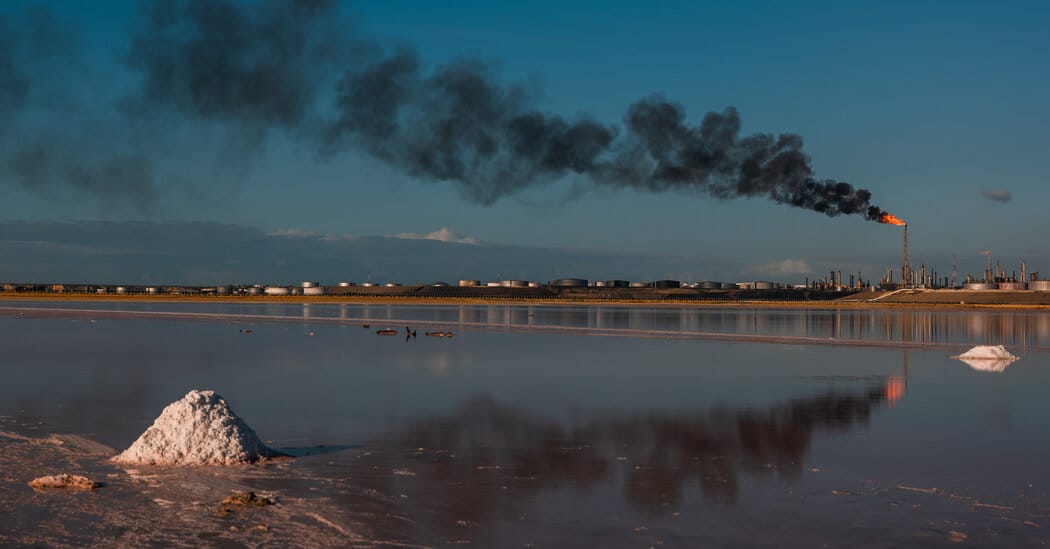
Methane flaring has risen sharply even as overall production has declined, making Venezuela one of the world’s largest contributors to climate‑warming methane emissions. The Global Gas Flaring Tracker Report from the World Bank put Venezuela as the fifth‑largest flaring country in 2023, and the country released more than 40 percent of its gas that year, which Jason Bordoff of Columbia University called “an insane number.” The article notes methane traps about 80 times as much heat as carbon dioxide in the short term.
The weakened industry has also coincided with environmental damage from spills and mining.
Key Topics
World, Venezuela, Orinoco Belt, Extra-heavy Oil, Gas Flaring, Petróleos De Venezuela