
Volunteers help NASA estimate hail size and melting
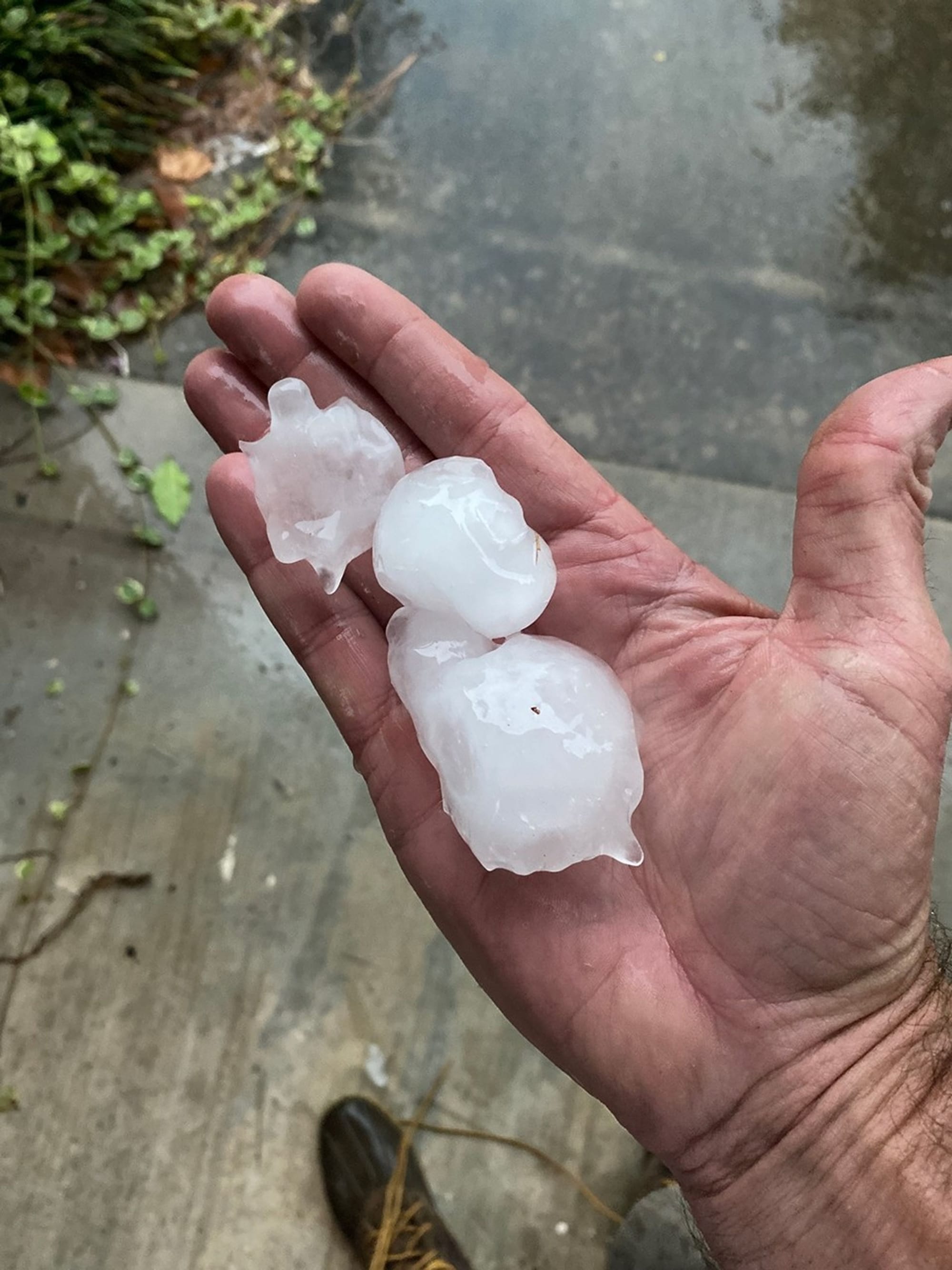
The bigger the hailstone, the more damage it can cause, but predicting hailstone size and how quickly hail melts as it falls can be challenging. You can help tackle this question by joining the SouthEAst REgion CoCoRaHS Hail (SEaRCH) project, a network of backyard weather observers made up of volunteers of all ages and backgrounds who work together to measure and report hail in their local communities.
SEaRCH is part of the NASA, National Oceanic and Atmospheric Association (NOAA), and National Science Foundation supported Community Collaborative Rain, Hail, and Snow (CoCoRaHS) network, whose amateur weather sleuths report rain and snow. These rain and snow observations are helping scientists better understand local variation in precipitation, and CoCoRaHS data is regularly used by the National Weather Service, the Hydrologic Prediction Center, the U.S.
Department of Agriculture, the National Drought Mitigation Center, broadcast meteorologists, research scientists, and more.
United States, SouthEast Region
hail size, hail melting, cocorahs, search, nasa, noaa, nsf, citizen science, volunteers, rain observations