
Vuvuzelas, the Jabulani and the French mutiny at the 2010 World Cup
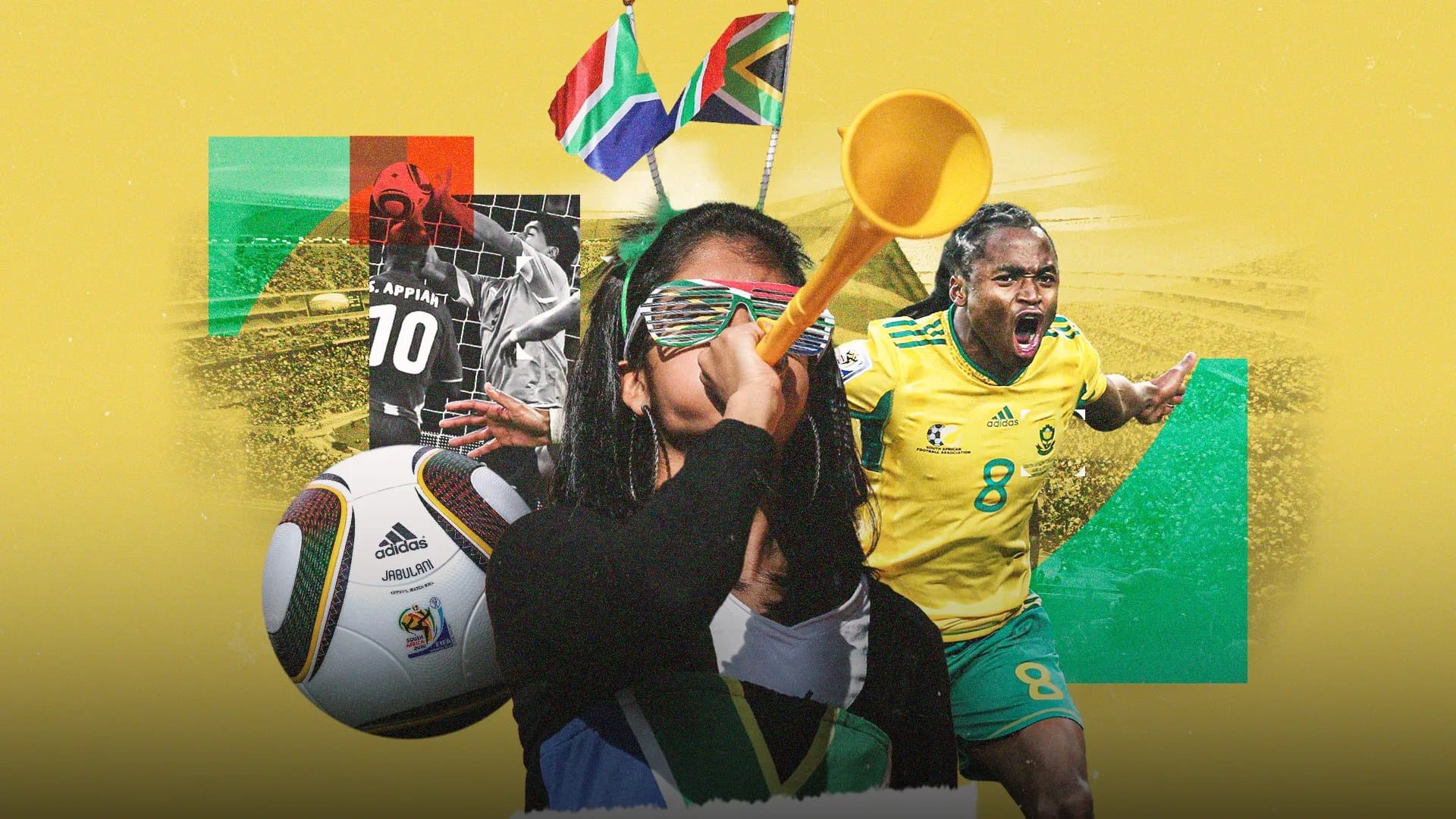
The 2010 World Cup, hosted by South Africa, was the first to take place in the modern digital age, with social media bringing every aspect of the experience straight into your brain through your phone screen. The instrument that came to define the tournament announced itself at the host announcement when South African delegates produced long plastic tubes while Nelson Mandela sat in the front row.
Born from Freddie Maake’s idea and mass‑produced in Cape Town from 2001, the vuvuzela became a constant, drone‑like presence at matches. Players and broadcasters complained — "I find these vuvuzelas annoying," Spain midfielder Xabi Alonso said — and researchers warned of health risks at an average of 120 decibels.
Attempts to ban or filter the sound proved problematic, and both the hosts and FIFA rejected calls to silence the horns. Adidas’s Jabulani, whose name means "rejoice," also divided opinion.
South Africa, Cape Town
vuvuzela, jabulani, world cup, south africa, nelson mandela, freddie maake, xabi alonso, fifa, adidas, french mutiny