
Warnings Over Sexual Misconduct Often Failed to Keep Uber Drivers Off the Road
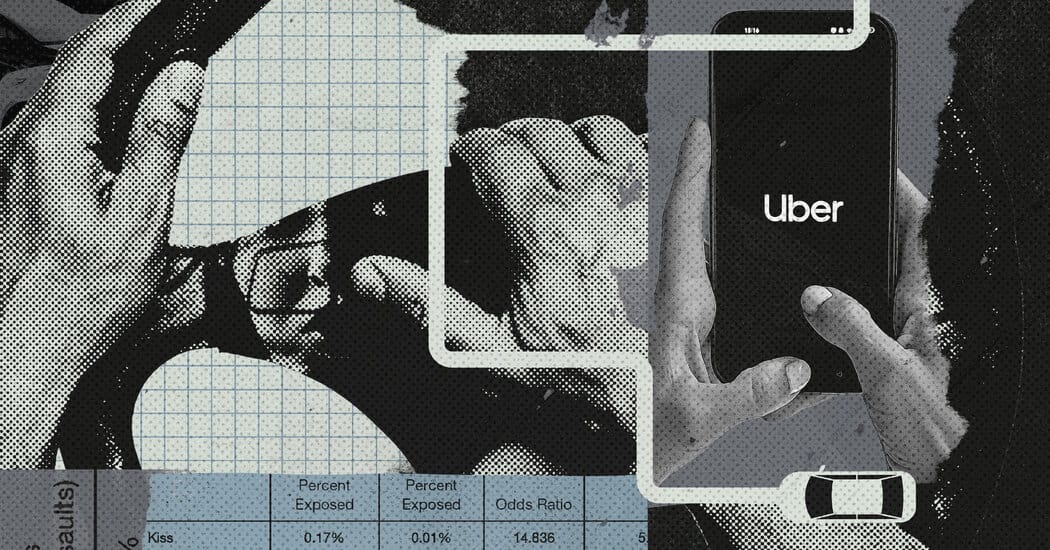
A New York Times investigation found that Uber often left drivers with prior complaints about sexual misconduct on the road until passengers later accused them of serious sexual assault. The reporting drew on lawsuits, internal company documents, court records and interviews with more than a dozen current and former employees.
In one case in Pennsylvania, Uber received three escalating complaints about a driver over 15 days in February 2023 and ultimately sent a warning and educational materials. Less than two weeks later, a 16-year-old passenger alleges she was groped and forcibly kissed; she is suing Uber for negligence.
The lawsuit is one of more than 3,000 sexual-assault suits the company faces in state and federal courts. Uber’s own research has identified warning signs in passenger feedback. A 2017 internal report found that comments containing words such as "kiss," "sex," "flirt" and "creepy," and any prior sexual-misconduct complaints, were associated with a far higher risk of assault — incidents were 12 times more likely if a driver had previous sexual-misconduct reports.
Despite that data, the company’s processes often treat many complaints as "less serious." Those reports are typically logged, and drivers receive automated warnings and optional trainings; only more severe allegations trigger individual investigations and temporary deactivation. Drivers accumulate "notations" for misconduct, and three notations can lead to a ban.
Key Topics
Sports, United States, Business, Uber, Sexual Assault, Ride-hailing, Safety