
Waxing Gibbous on Jan. 29, 2025 — 85% of the Moon illuminated
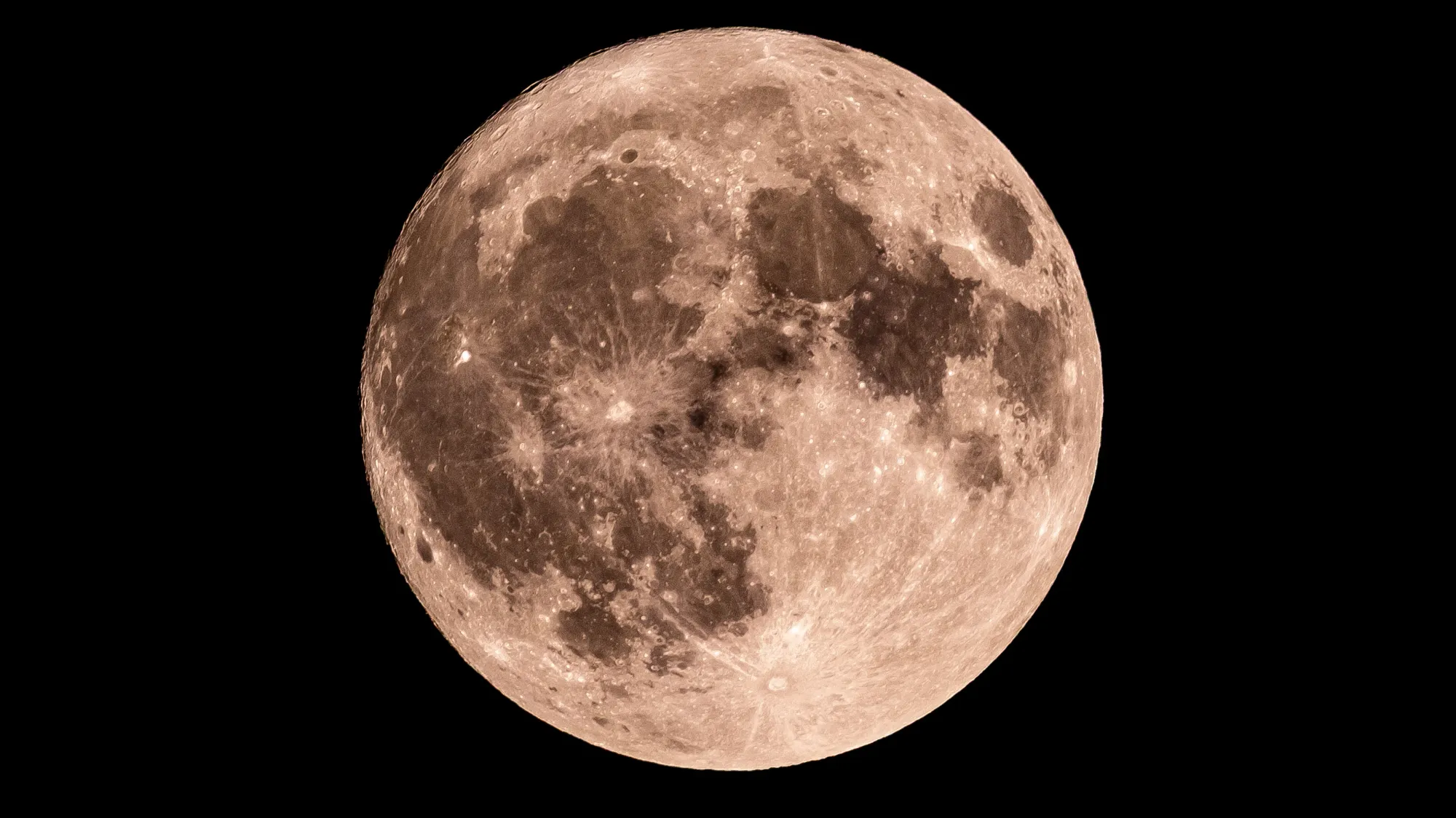
As of Thursday, Jan. 29, the Moon phase is Waxing Gibbous; according to NASA's Daily Moon Guide, 85% of the Moon will be lit tonight. We're only days away from the Full Moon now, so when we look up there is plenty to see. You don't need visual aids to see anything on the Moon's surface tonight; with just your naked eye you should be able to spot the Mare Imbrium, Copernicus Crater, and the Mare Fecunditatis.
With binoculars you can also see the Gassendi Crater, Apennine Mountains, and Posidonius Crater. With a telescope, enjoy glimpses of the Linne Crater, Descartes Highlands, and the Schiller Crater. The next Full Moon will be on Feb. 1, and the last full moon was on Jan. 3. According to NASA, the lunar cycle lasts around 29.5 days as the Moon travels once around Earth, and over that period it passes through eight recognized phases: New Moon (the side we see is dark), Waxing Crescent (a small sliver appears on the right side in the Northern Hemisphere), First Quarter (half of the Moon is lit on the right), Waxing Gibbous (more than half is lit but not yet full), Full Moon (the whole face is illuminated), Waning Gibbous (the Moon starts losing light on the right side in the Northern Hemisphere), Third or Last Quarter (a half-Moon with the left side lit), and Waning Crescent (a thin sliver remains on the left before going dark again).
Known: tonight's Moon is a waxing gibbous at about 85% illumination. What happens next: the Moon will reach Full Moon on Feb.
waxing gibbous, 85% illuminated moon, jan. 29 moon phase, full moon feb. 1, nasa daily moon guide, lunar cycle 29.5 days, eight lunar phases, new moon phase, waxing crescent phase, first quarter moon, waning gibbous phase, third quarter moon, waning crescent phase, mare imbrium, copernicus crater, mare fecunditatis, gassendi crater, apennine mountains, posidonius crater, linne crater, descartes highlands, schiller crater, naked eye moon viewing, binoculars lunar observing, telescope lunar features, last full moon jan. 3