
Weather and moonlight shape when mountain warblers join the dawn chorus
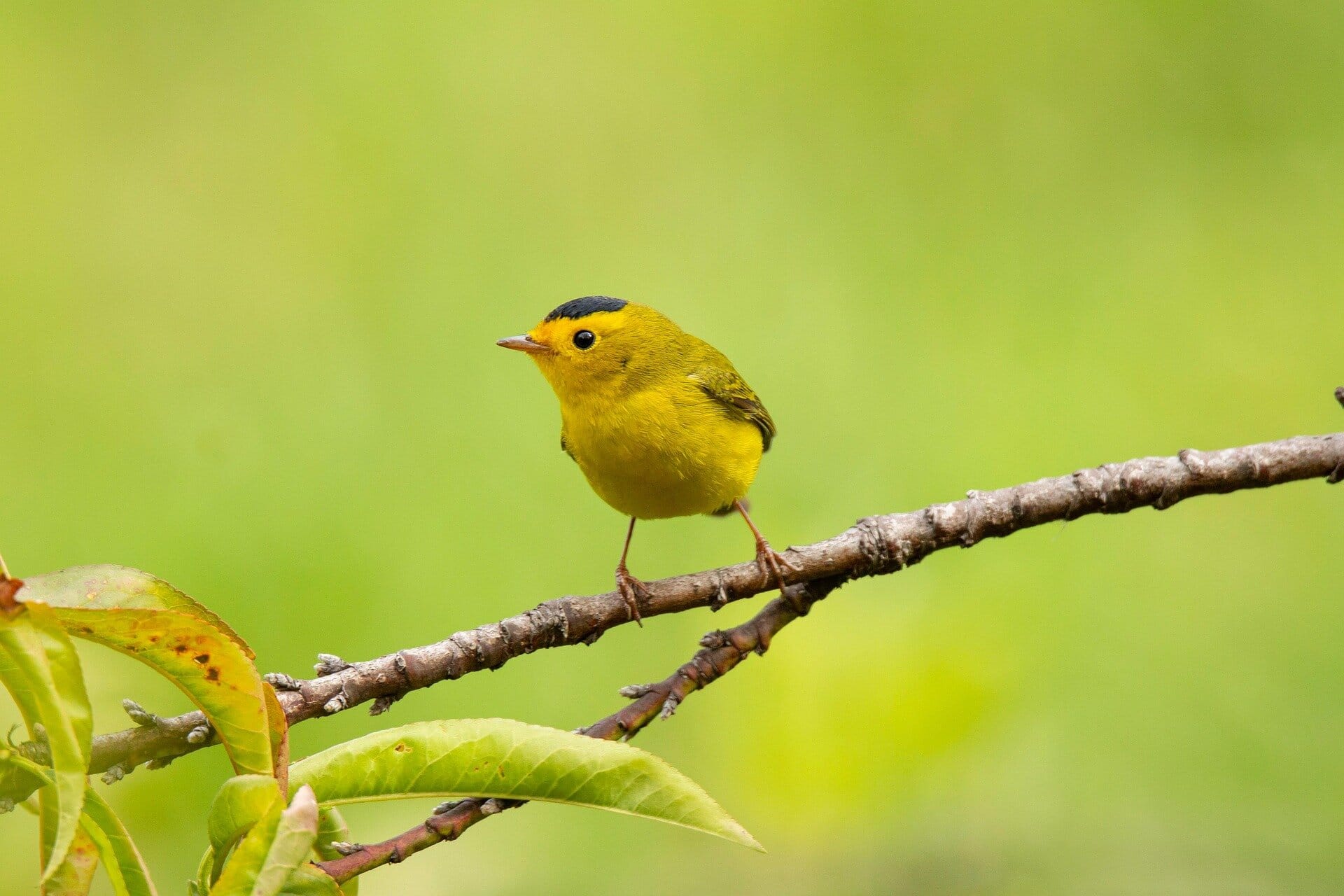
Soundscape ecologists working in South Africa's Golden Gate Highlands National Park have found that temperature, humidity, wind, rain and moonlight all influence when three species of mountain wetland warblers begin their dawn singing. The team, led in part by Mosikidi Toka, used automated audio recorders to track dawn chorus timing through the breeding season.
The study focused on three closely related insect-eating songbirds common in southern African wetlands: the little rush warbler (Bradypterus baboecala), the African yellow warbler (Iduna natalensis) and the lesser swamp warbler (Acrocephalus gracilirostris). All three normally contribute strongly to the dawn chorus during breeding.
Researchers recorded continuous bird song with remote devices and identified species calls using Kaleidoscope Pro. They compared daily song-start times to weather data from a nearby station and to moon phase records, then used statistical models to test which environmental factors affected each species.
All three species started singing earlier on warmer days and later on colder days. Beyond temperature, responses differed by species: higher humidity made the African yellow warbler call earlier but delayed the lesser swamp warbler, while the little rush warbler was unaffected by humidity.
Key Topics
Science, Mosikidi Toka, Drakensberg, Little Rush Warbler, African Yellow Warbler, Lesser Swamp Warbler