
A week without ultra-processed foods exposed cost, effort and constant temptation
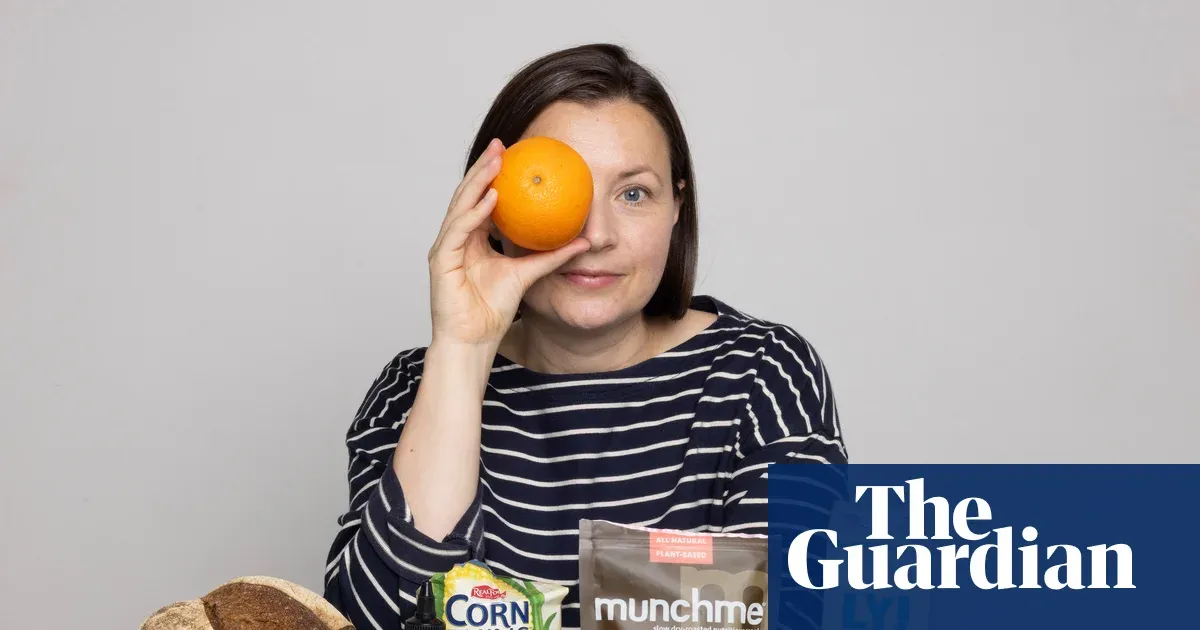
The author, Joyce, spent a week trying to avoid ultra-processed foods (UPFs) at home and at work to see how practicable it is to cut them out of daily life. She asked experts for guidance: Prof Mark Lawrence of Deakin University advised avoiding products with long ingredient lists, steering clear of middle supermarket aisles and watching for “chemical-sounding” ingredients, saying “Those are a big clue that it’s ultra-processed” and that “It’s possible.” Dr Phillip Baker at the University of Sydney told her to avoid ingredients she wouldn’t cook with at home.
Joyce also used the Nova classification to identify UPFs (level four) and distinguish them from minimally processed foods (level one) and processed culinary ingredients (level two). Practical challenges quickly emerged: buying bakery rye and butter without emulsifiers cost more, meal preparation took longer and generated more washing up, and social and convenience situations tested her resolve.
At a cafe she discovered many alternative milks contain additives; a barista warned that almond milk had maltodextrin, vegetable gums and sunflower lecithin, so she ordered a batch brew instead. She spent about $50 stocking additive-free produce for lunches, used apps such as Yuka and Open Food Facts to check packaged foods, and found the mental effort mounting to the point of near tears over ambiguous ingredients.
Key Topics
Health, Ultra-processed Foods, Nova Classification, Deakin University, Mark Lawrence, Phillip Baker