
Western leaders draw closer to China, analysts say Beijing sets the terms
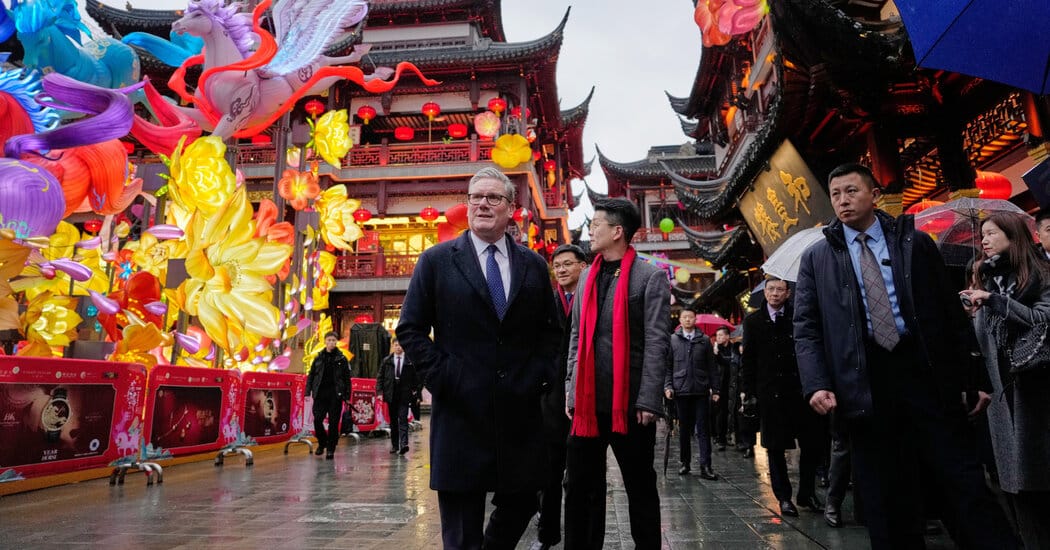
Prime Minister Keir Starmer visited Shanghai this week, the first British leader to go to China since 2018, part of a procession of European and Canadian leaders now seeking closer ties with Beijing, The New York Times reports. Analysts say Beijing deliberately intensified pressure after President Trump’s “Liberation Day” tariffs last year, threatening countries that cooperated with U.S.
restrictions and unveiling a plan to choke rare-earth exports aimed at the world. Jonathan Czin of the Brookings Institution said Beijing “chose to accentuate rather than alleviate the pressure on the allies to force them to tilt closer to Beijing’s position.” The visits have produced economic agreements while avoiding core disputes.
Mr. Starmer prioritized business deals and largely skirted issues such as the imprisonment of Hong Kong activist Jimmy Lai; critics say his government also approved a new Chinese mega-embassy in London despite spying concerns. In Ottawa, Prime Minister Mark Carney announced a “new strategic partnership” with China, agreed to cut tariffs on a small number of Chinese electric vehicles and, the report says, signaled Canada’s willingness to break ranks with the United States for its economic survival.
The outreach has given Beijing a diplomatic windfall, aided by Mr. Trump’s aggressive moves abroad that Beijing has used to cast itself as a defender of the rules-based order and a partner for the Global South.
keir starmer china visit, mark carney china partnership, liberation day tariffs, china rare-earth exports, jimmy lai imprisonment, chinese mega-embassy london, china-uk business deals, canada china ev tariffs, xi jinping diplomacy, china diplomatic windfall, china trade surplus, taiwan isolation concerns