
What not to put in your curbside recycling
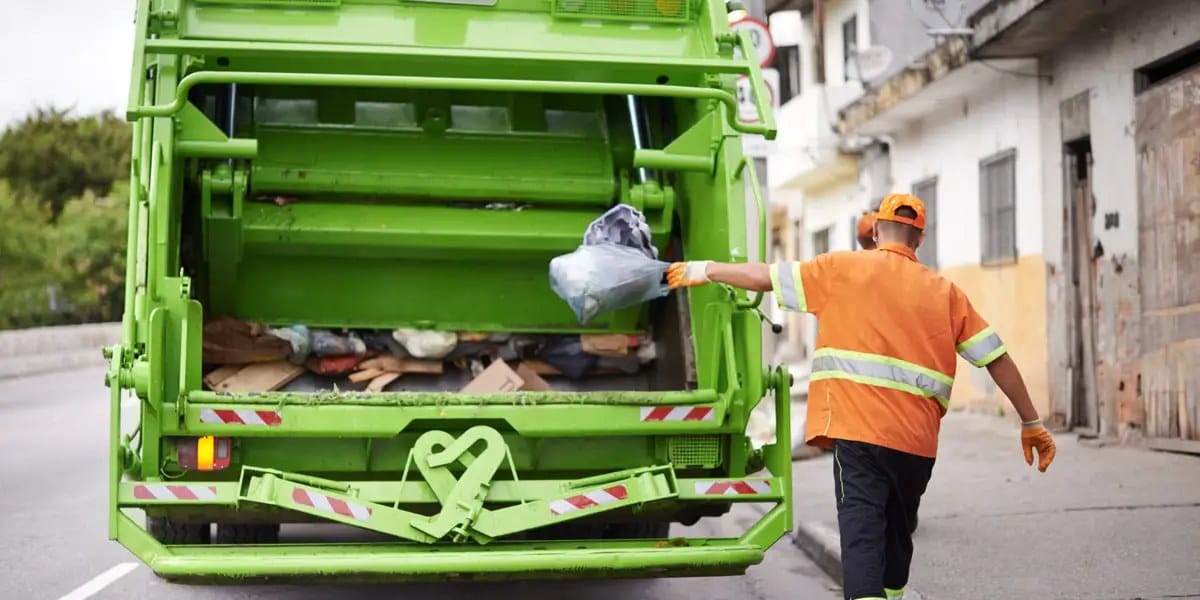
Recycling rules vary widely across the US, so it can be hard to know what your city will pick up and what needs a drop-off. Tossing the wrong materials or including wet and dirty items can contaminate the waste stream — the EPA estimates contamination at about 25% — and many people have fallen into “wish‑cycling,” throwing anything that looks recyclable into the blue bin.
Part of the problem is scale: there are literally thousands of local recycling standards, and the sorting systems that handle mixed waste can cost tens of millions of dollars, which many communities lack. That leads to confusing, sometimes conflicting guidance — for example, the EPA says single‑use household batteries should go to specialized recyclers but also notes that in most communities alkaline and zinc carbon batteries can be put in the trash, while New York City requires batteries to be taken to drop‑off sites or accepting stores.
United States, New York City
curbside recycling, contamination, epa, wish-cycling, batteries, drop-off, recycling standards, sorting systems, mixed waste, local recycling