
When a robotaxi can't close a passenger door
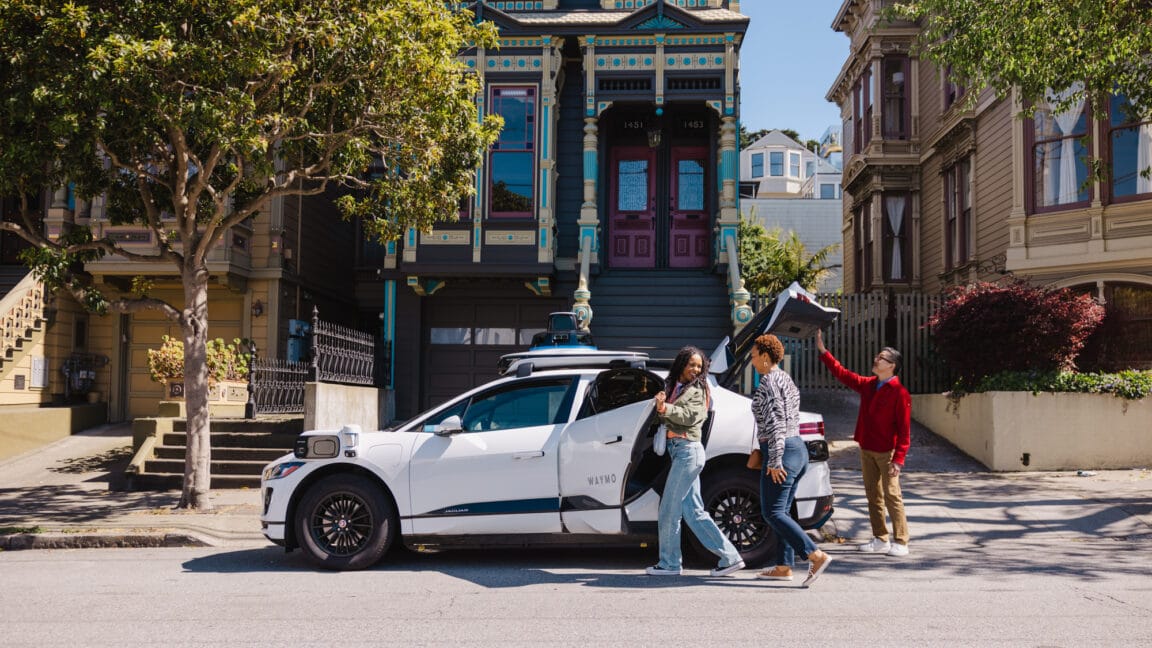
Autonomous vehicles have a lot of potential. If they are programmed correctly, they will not speed, break traffic laws, or become drunk, high, abusive, or violent. The technology has grown more capable even as some of the early hype faded and some companies fell by the wayside.
Waymo remains the leader in the field, operating commercially in six American cities and preparing to expand to a dozen more, plus London. Its service already includes airport drop-offs and pickups in Phoenix and San Francisco. Soon Waymo will deploy its sixth-generation Waymo Driver in upfitted Zeekr Ojai minivans, joining the Jaguar I-Paces and its fleet of Hyundai Ioniq 5 electric vehicles.
The company has upgraded cameras, lidar, and radar so the cars can better sense their surroundings at night and in inclement weather, and microphones can pick up sounds like sirens to help determine the direction of approaching emergency vehicles. Still, some tasks remain beyond a robotaxi’s capabilities.
United States, Phoenix, San Francisco, London
autonomous vehicles, robotaxi, waymo, waymo driver, zeekr ojai, jaguar i-pace, hyundai ioniq, lidar, radar, microphones