
Why wearing traditional dress will always be political
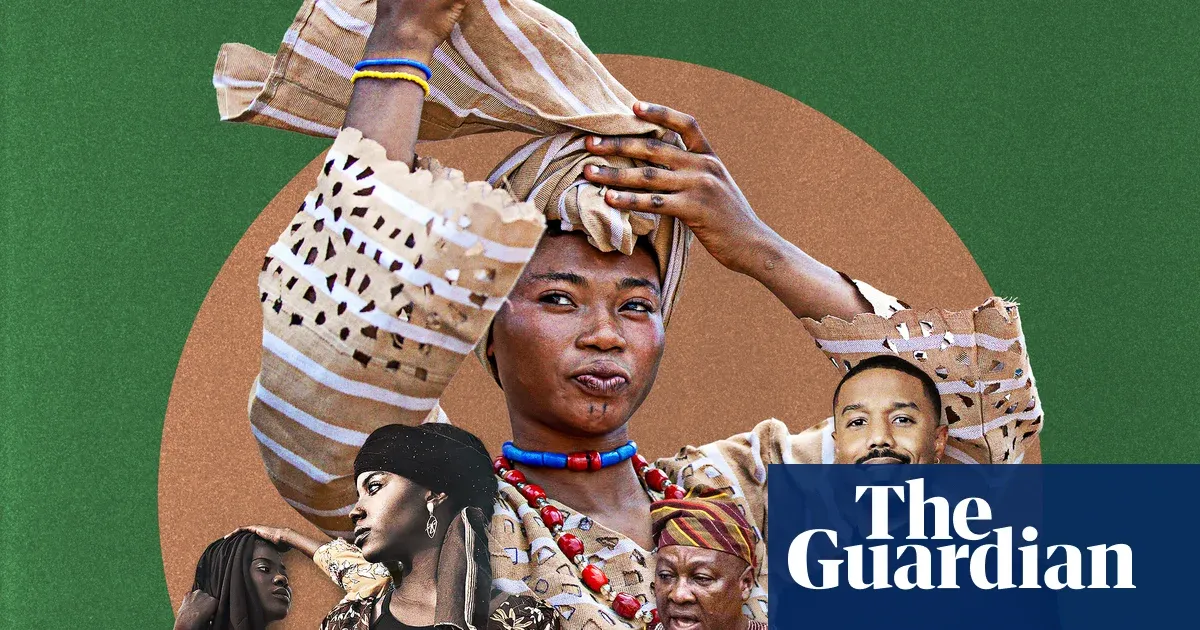
When Ghana’s president, John Dramani Mahama, wore the patterned fugu smock on a state visit to Zambia he was mocked on social media and the episode led the Ghanaian government to declare every Wednesday “Fugu Day”. The reaction set off conversations among the Long Wave team, who have origins in Nigeria, Ghana, Sudan and Trinidad and Tobago, about why traditional clothing so often becomes contentious.
Practices vary across the continent. In Sudan the galabeya and thobe are everyday staples, while in parts of Nigeria and Morocco kaftans and other traditional garments are commonly worn. By contrast, in Nairobi, Johannesburg and Cape Town traditional dress tends to be reserved for ceremonies, and in some places — shaped by urban life, histories of settler colonialism and even parliamentary dress codes such as the ban on the Kaunda suit in Kenya’s legislature — western attire dominates public and official spaces.
Ghana, Zambia, Nigeria, Sudan, Morocco, Kenya, Trinidad and Tobago, Nairobi, Johannesburg, Cape Town
traditional dress, fugu smock, john mahama, fugu day, galabeya, thobe, kaftan, kaunda suit, settler colonialism, parliamentary dress