
Without some change in direction, Iran’s regime risks breakdown in civil order
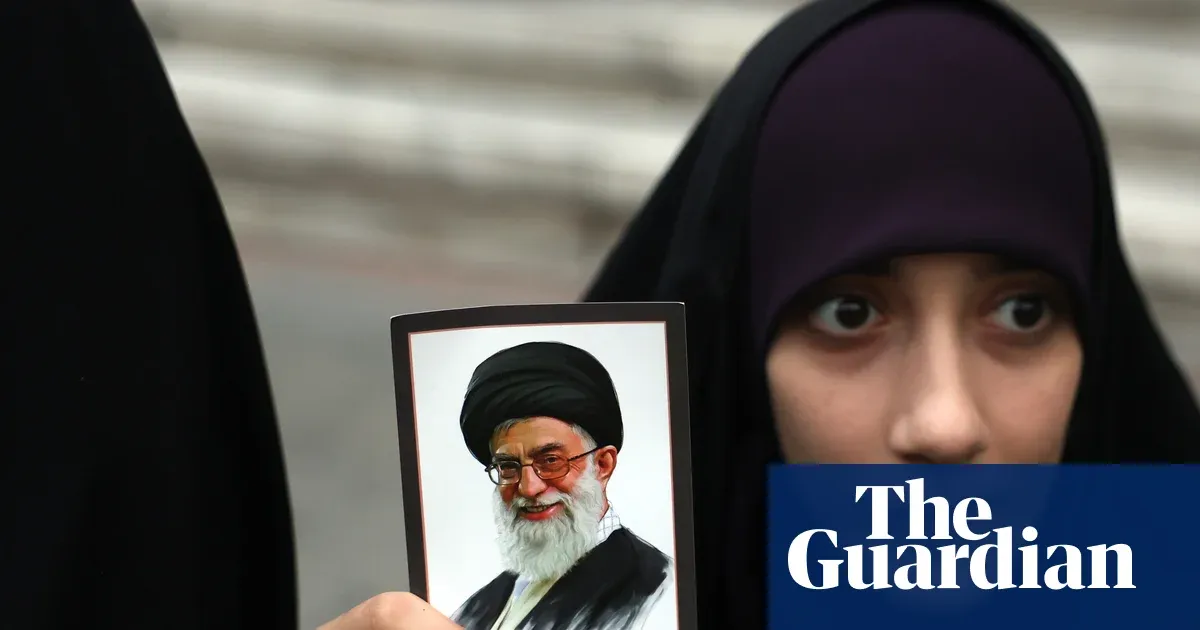
Two Irans are in view now. By night, people danced, celebrated and cried tears of joy at the death of Ayatollah Ali Khamenei, hoping it marks the end of clerical rule and isolation from the west. By day, mourning crowds gather in Tehran and Isfahan demanding retribution and bewailing the loss of their sacred leader.
The security apparatus still holds the upper hand, but discerning whether the regime realises that the continued, inflexible pursuit of its current path will probably end in chaotic collapse is harder to know. On the surface survival seems implausible given an extraordinary and growing roll call of dead leadership.
Apart from the supreme leader, the dead include Maj Gen Shahid Rezaian, the head of the intelligence organisation of Iran’s police command; Lt Gen Seyyed Abdolrahim Mousavi, the chief of staff of the armed forces; Maj Gen Mohammad Pakpour, the commander of the Islamic Revolutionary Guard Corps; Adm Ali Shamkhani, the adviser to the supreme commander; and Lt Gen Nasirzadeh, the defence minister.
Iran, Tehran, Isfahan
iran, ali khamenei, revolutionary guard, tehran, isfahan, clerical rule, regime collapse, leadership deaths, security apparatus, protests