
Wrench attacks turn crypto theft into violent, real-world hostage crimes
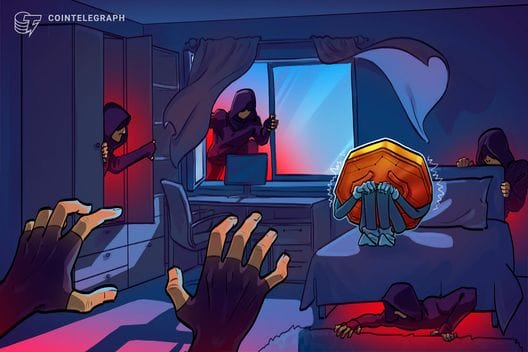
French authorities in January 2025 freed Ledger co-founder David Balland after kidnappers demanded a large ransom in cryptocurrency, an episode Cointelegraph says illustrates how some crypto crime has moved from screens to physical hostage situations. Those incidents fit the definition of a "wrench attack," in which attackers use threats or violence to force a holder to reveal credentials, unlock a device or authorize a transfer rather than exploiting technical vulnerabilities.
Cointelegraph cites analysis by Haseeb Qureshi of Dragonfly, based on Jameson Lopp’s incident log, that reported wrench attacks have risen and become more severe, and that a simple regression links roughly 45% of variation in attack frequency to total crypto market capitalization.
The outlet also notes two important caveats: Lopp’s database is not comprehensive and academic work points to systematic underreporting. Cointelegraph outlines four drivers behind the trend: crypto payouts are fast and hard to unwind, rising prices concentrate reachable wealth, public-facing activity and data leaks make targets easier to find, and exposed personal data can turn online identities into offline risk.
Key Topics
Crypto, Wrench Attack, David Balland, Ledger, Jameson Lopp, Haseeb Qureshi