Young people embrace online 'doing nothing' trend to try to rebuild attention spans

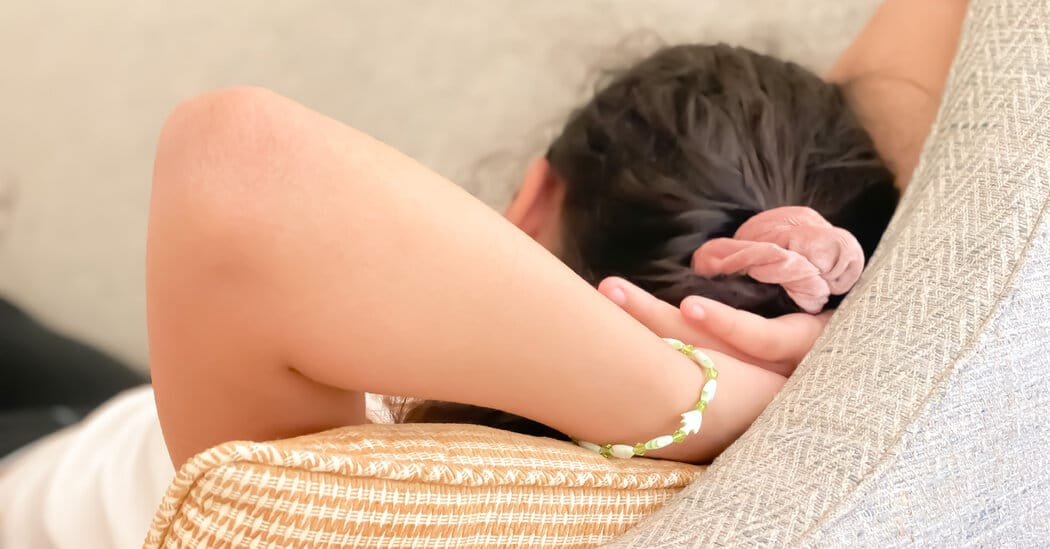
Boredom has surfaced as an online trend in which young people post videos of themselves doing nothing as a way to try to sharpen frayed attention spans. The videos range from about 15 minutes to several hours and follow informal rules — no phones, no food or drink and no other amusements.
In one representative clip, Virginia Commonwealth student Sean Panjsheeri sat on a couch with a laptop turned away, holding a pillow while a running digital clock filled the screen; a time-lapse compressed his six-minute session into 36 seconds. Panjsheeri said the videos are meant as a respite from more stimulating fare and warned, "If we don't take action, then our phones are going to overtake us." Others have taken different approaches: Wing Toh Wong, founder of a smartphone mindfulness app, spent eight hours sitting on a plastic stool and wrote that the first two hours were manageable but the remaining six were much harder.
The trend has also drawn attention beyond TikTok, from lifestyle writers such as Arthur C. Brooks and Robert Greene to Substack and newsletter authors like Helen Russell and Angel Zheng, and some participants describe approaches that integrate boredom into daily life, as in a 30-day experiment by writer JA Westenberg.
Researchers and clinicians offer competing views.
Key Topics
Culture, Boredom Trend, Tiktok, Sean Panjsheeri, Virginia Commonwealth University, Wing Toh Wong