
Inside ZDNET’s 2026 process for testing smart rings
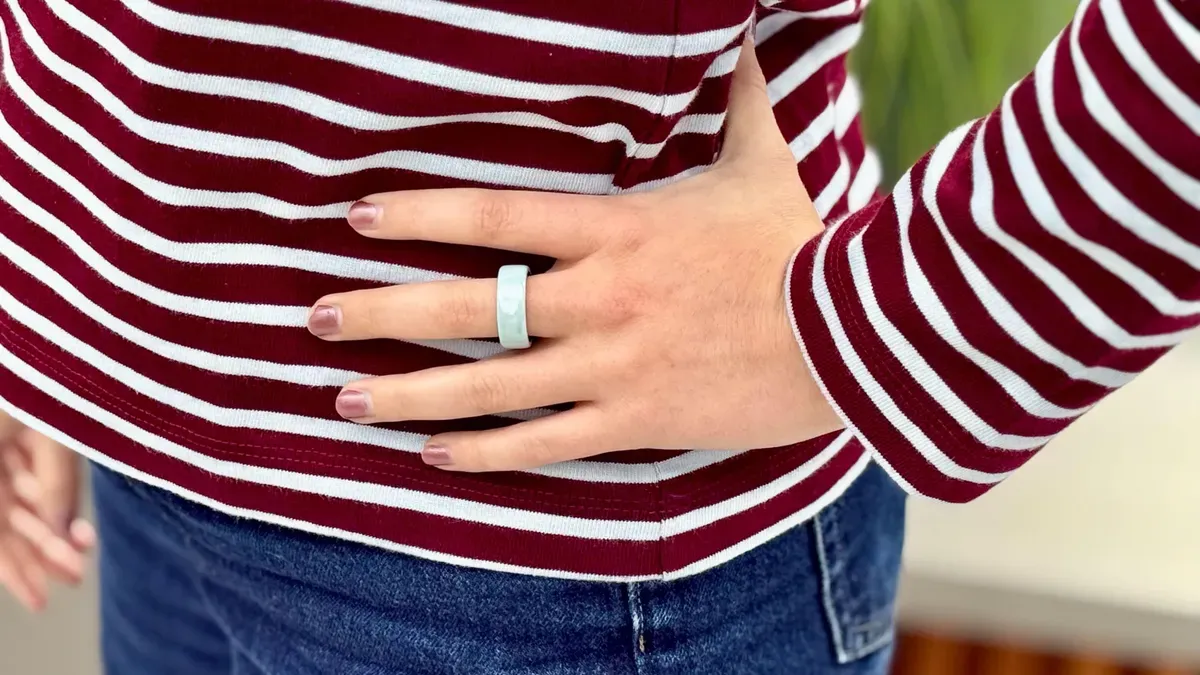
ZDNET’s experts test every notable smart ring on the market, focusing on core factors that determine whether a ring earns a recommendation. Comfort is assessed first. Reviewers note shape and fit—preferring circular designs over bulky squares—and look for broad size ranges (brands that offer sizes six through 12 or allow sampling score higher).
Price and subscriptions matter. Competitive smart rings typically cost $200–$400, with about $350 seen as a sweet spot for balanced features, battery life and wearability. Some rings add yearly subscriptions of roughly $50–$100; memberships can enable advanced features but should be judged case by case.
Battery tests are empirical: reviewers charge a ring to 100% and record how long it takes to drop to 1%. Top rings often deliver five to six days of use in real-world testing. Activity testing requires prolonged wear. Reviewers wear rings for at least two weeks to a month, tracking walks, runs, bike rides and classes to see how well devices auto-detect workouts and record heart rate, blood oxygen and recovery metrics.
Sleep tracking is a key strength for rings. Testers sleep with rings for weeks, compare readings to other wearables, and evaluate data gaps, sleep-stage detection and the usefulness of bedtime and recovery insights. Add-ons such as symptom logging, tags and AI recommendations are tested for usefulness and target audience fit, but they carry less weight than comfort, battery and core health metrics.
Key Topics
Tech, Zdnet, Oura, Smart Ring, Wearables, Reddit