
Zvezda leak finally stopped after years; Baikonur pad repairs could restore flights
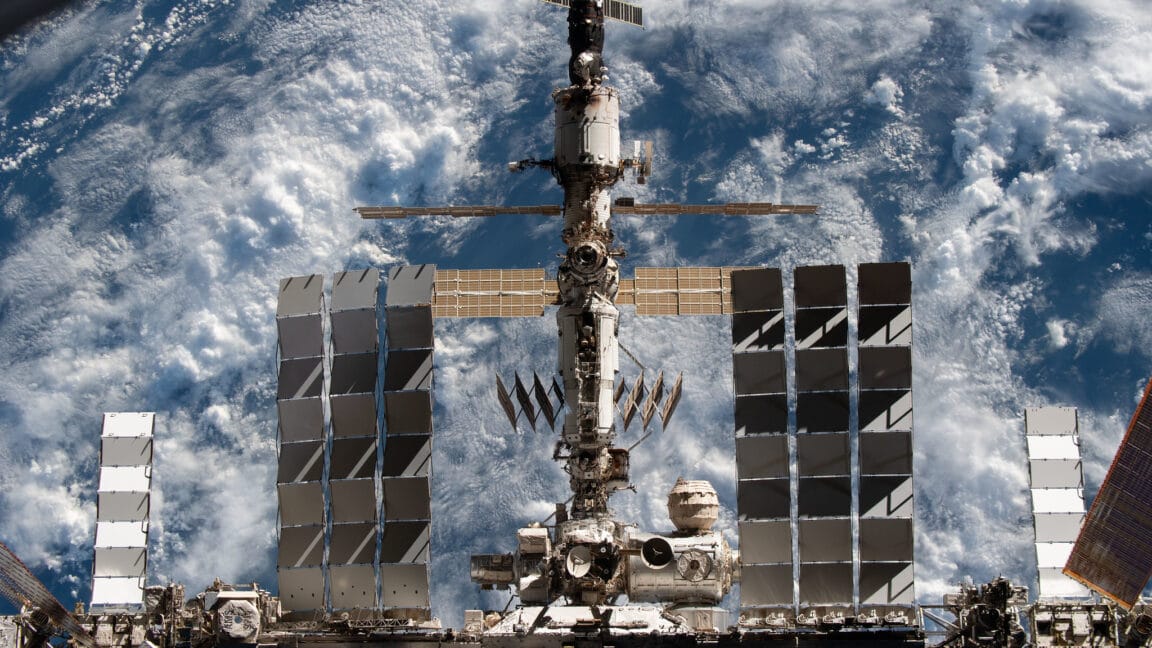
After a multiyear effort, the leak in the Russian Zvezda module has been stopped, a welcome development for both Russia and NASA — though the fix may not prevent new leaks from appearing in decades-old hardware.
Zvezda, launched in July 2000 on a Russian Proton rocket, developed cracking that first appeared in 2019. Despite long-running investigations, the precise cause of the problem remains unknown.
There is other potential good news for Russia’s civil space program: problems at the country’s primary launch pad for ISS missions occurred when a Soyuz launched two Roscosmos cosmonauts, Sergei Kud-Sverchkov and Sergei Mikayev, and NASA astronaut Christopher Williams on an eight-month mission in late November. The rocket itself had no difficulties, but a large mobile platform beneath it was not properly secured prior to launch and fell into the flame trench, taking Site 31 at the Baikonur Cosmodrome offline. It is unclear when the pad will return to service. Russia had been targeting a return-to-flight in March 2026, and NASA’s updated internal schedule now shows a Progress launch on March 22, another Progress on April 26, and the next crewed Soyuz MS-29 remaining scheduled for July 14, which will carry NASA astronaut Anil Menon.
Key Topics
Science, Russia, Iss, Zvezda, Baikonur, Soyuz, Launch Pad