
100 defining television moments from 1926 to 2025
The Guardian has compiled a list of the 100 biggest moments in television, spanning events from John Logie Baird’s first public demonstration in 1926 to developments recorded up to 2025. Early milestones noted include Baird’s 26 January 1926 demonstration using his ventriloquist dummy Stooky Bill, the BBC launching the world’s first regular TV service in 1936, the resumption of BBC Television in 1946 with the same Mickey Mouse cartoon that closed transmissions in 1939, and the 1953 coronation of Queen Elizabeth II, which the list says helped double UK TV licences between 1952 and 1954.
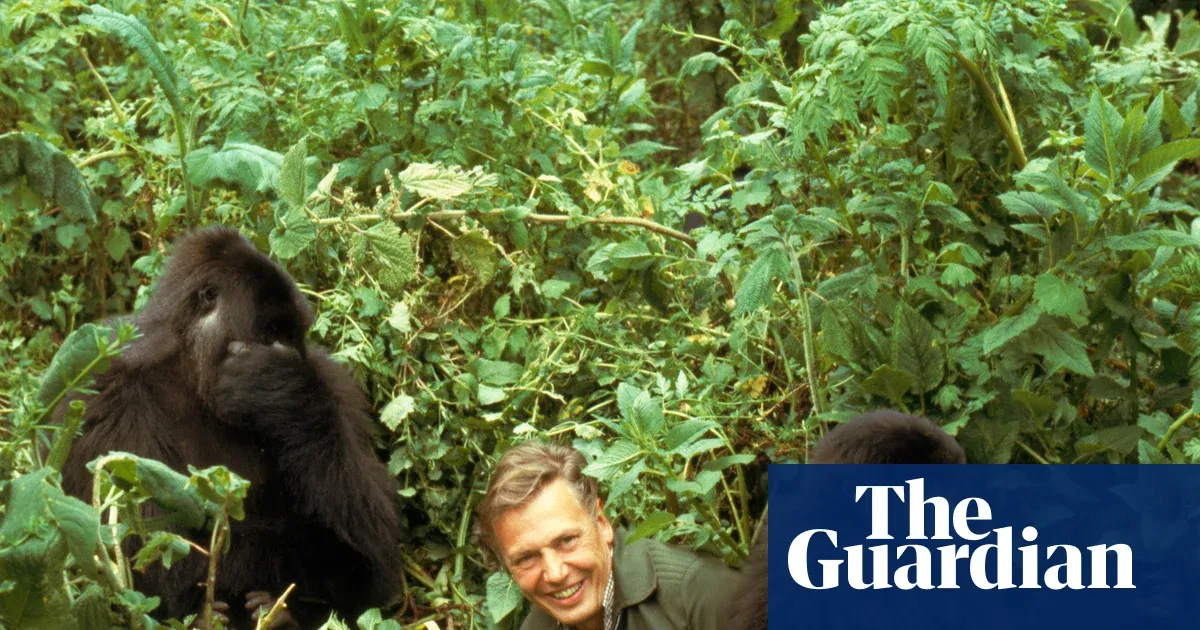
It also records the arrival of commercial television in 1955 and the first televised interracial kiss that year during a BBC production of Othello. The compilation highlights major cultural and global moments such as the Apollo 11 moon landing in 1969—described as "sometimes referred to as the single greatest moment in television history" and watched by a reported 650 million—televised same-sex kisses in 1970, David Attenborough’s gorilla encounter in 1979, Live Aid in 1985 watched by 1.5 billion, and the extensive coverage following Princess Diana’s death in 1997.
The list also traces technological and industry shifts: YouTube’s 2005 launch, the BBC iPlayer in 2007, Netflix’s move into streaming and its first Emmy in 2013, and entries from 2025 noting that YouTube became the most-watched streaming service and that Netflix revealed using generative AI for special effects.
Key Topics
Culture, Television, John Logie Baird, Live Aid, Youtube, Netflix