
2026 astronomical highlights, including planetary parade and eclipses
Skywatchers can expect a busy 2026, with notable meteor showers, planetary gatherings and Moon events. The year also marks the 20th anniversary of NASA Marshall Space Flight Center’s Observatory, which was established as an engine test site in 1958, converted to a solar observatory in 1968, and transformed into a lunar and meteor observatory in 2006.
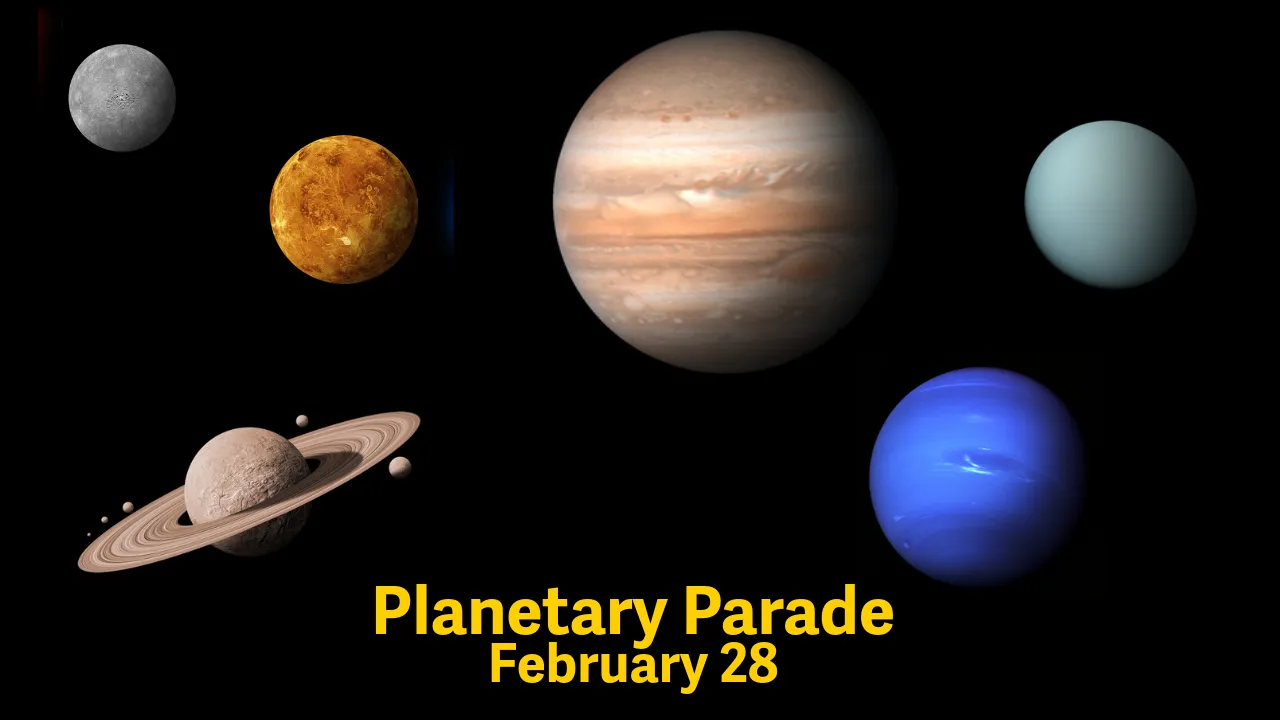
Among the top events: a planetary parade on February 28 when six planets (Mercury, Venus, Neptune, Saturn, Uranus and Jupiter) will appear shortly after sunset, with four visible to the unaided eye and Uranus and Neptune requiring optical assistance; a total lunar eclipse visible in North America on March 3, especially for West Coast viewers; and a Blue Moon on May 31, meaning 2026 will have 13 full Moons (the moon will not actually be blue).
Also highlighted are a close Venus–Jupiter conjunction on June 8–9 visible without telescopes; the Perseids meteor shower on August 12–13 with a New Moon aiding viewing; the Geminids on December 13–14, noted for their “green” meteors; and a Supermoon on December 24, when a full Moon is at its closest approach to Earth and appears larger and brighter.
Key Topics
Science, Planetary Parade, Total Lunar Eclipse, Blue Moon, Perseids, Geminids