
28 Years Later: The Bone Temple review — Garland and DaCosta probe good and evil
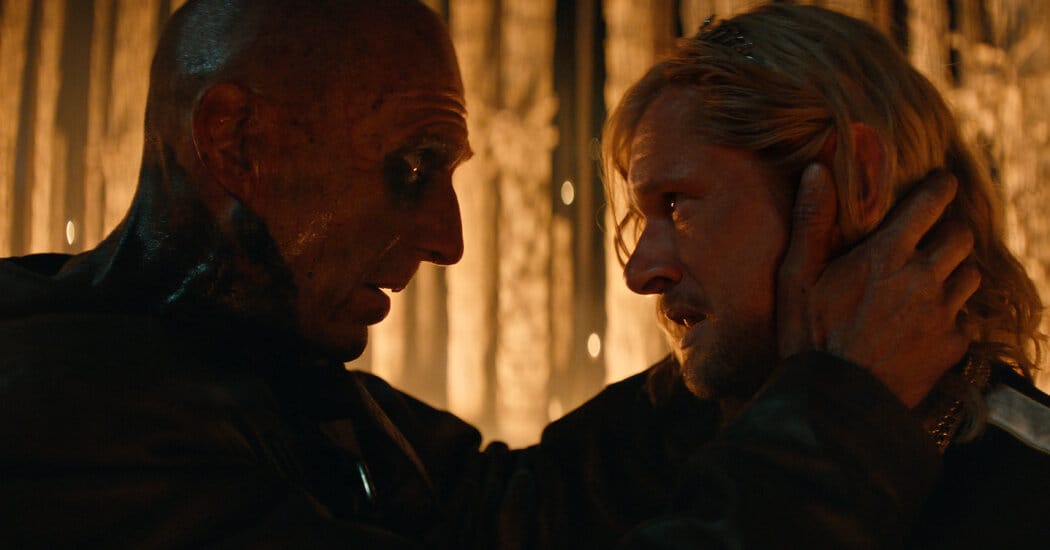
Nia DaCosta’s 28 Years Later: The Bone Temple, written by Alex Garland and featuring Ralph Fiennes and Jack O’Connell, is the latest installment in the zombie saga now in theaters. The film frames its horror around a sustained inquiry into whether humans are basically good or evil.
Garland again mixes genre conventions with religious and mythic metaphors, and the story picks up almost immediately after 28 Years Later. The plot follows two threads: Dr. Kelson’s efforts around Samson, an enormous “alpha” infected who Kelson hopes may be curable, and Jimmy Crystal, a Joker-like leader of a gang styled after Jimmy Savile who convinces his followers to commit brutal acts in the name of “charity.” DaCosta’s direction favors old-fashioned gore over the mini-DV aesthetic of earlier installments, and the critic singled out a pyrotechnic scene that provoked a near-standing ovation; performances by Jack O’Connell and Chi Lewis-Parry were praised, and Ralph Fiennes is described as the film’s heart.
The review says Jimmy and Dr. Kelson are on a collision course and that Garland’s screenplay leans heavily on biblical allusions—the Garden of Eden, passages evoking the passion of Christ and the idea of a new Adam—to ask who, if anyone, can save humanity. The Bone Temple is presented as the middle film in a trilogy and reportedly a sequel is on the way. The film is rated R, runs 1 hour 49 minutes, and is in theaters.
Key Topics
Culture, Alex Garland, Nia Dacosta, Ralph Fiennes, Jack O'connell, Chi Lewis-parry