
Acupressure mats are popular but evidence for pain, stress and sleep benefits is limited
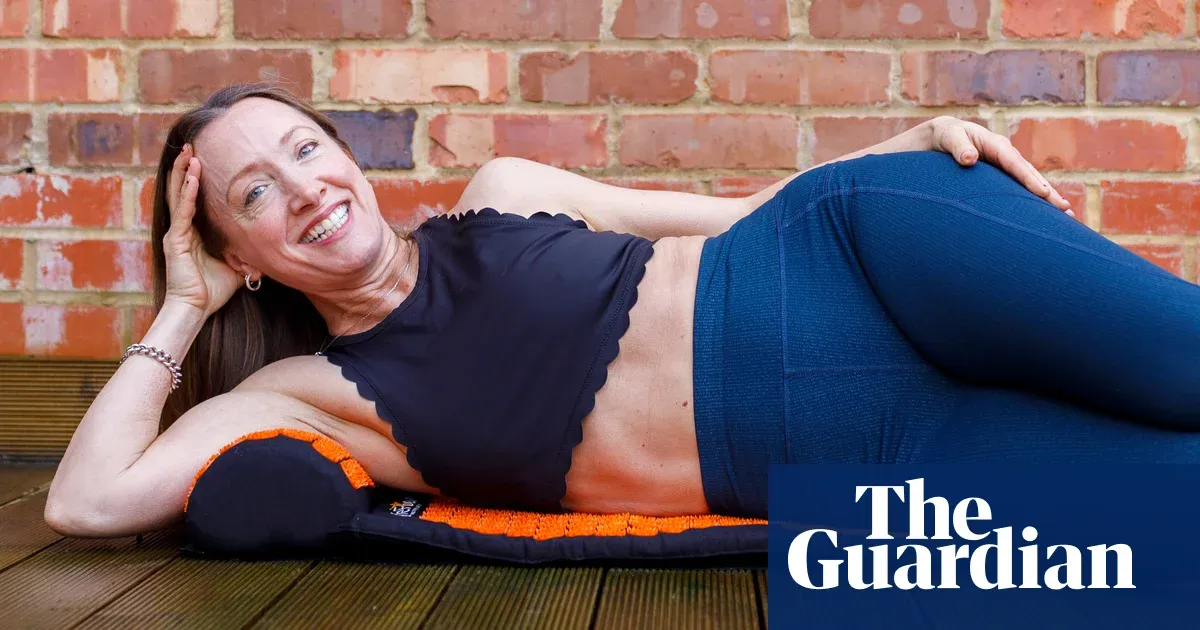
Users such as Keith, 39, from Kansas say acupressure mats (often sold as Shakti mats) have helped with his chronic mid‑back and shoulder pain after a 2023 car accident, but there is still no compelling evidence that the mats relieve stress, pain or sleep problems, according to the report.
Inspired by traditional beds of nails, modern mats are fabric pads studded with tiny plastic spikes. They have been widely available for more than a decade and have seen a recent surge in mainstream interest and social media advertising; the most prominent brand, Shakti Mat, is made in India and can cost up to £99, while cheaper alternatives appear on sites such as Amazon and in stores like Lidl.
Many users report relaxation, improved sleep metrics or reduced stiffness, and the mats can leave reddened, dimpled skin after use. Acupuncturist Sahar Hooti told the paper the spikes will inevitably touch some acupuncture points and that brief stimulation can increase surface blood flow, but she advised caution—suggesting no more than five minutes at a time and warning that some points should not be stimulated in pregnancy.
A small 2023 student study led by Benjamin Schöne at the Norwegian University of Science and Technology tested daily mat use over three weeks against a control mat without spikes, measuring perceived stress, heart rate, blood pressure and pain tolerance.
Key Topics
Health, Acupressure Mats, Shakti Mat, Sahar Hooti, Benjamin Schöne, Chronic Pain