
Study suggests adolescence can last until 32, so parents must adapt
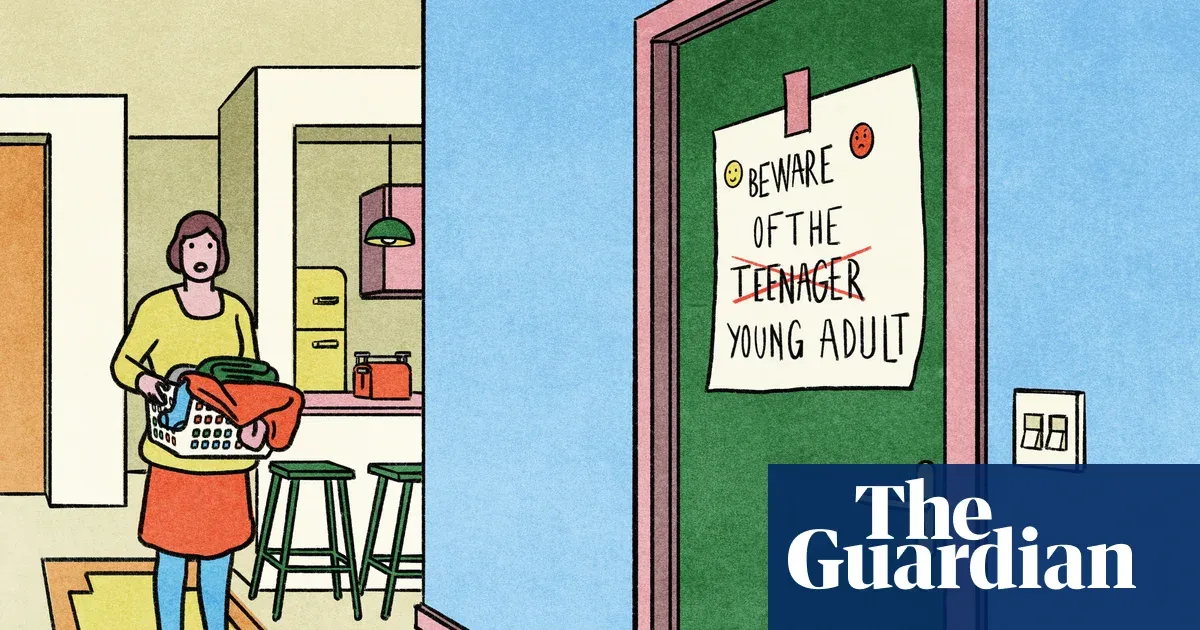
Recent neuroscience research from Cambridge University, published in Nature Communications, suggests the brain's adolescent phase can extend until about age 32. Julia Samuel, a psychotherapist, uses that finding to argue that parenting does not stop at 18 but changes shape and that many parents are unprepared for relationships with adult children.
Samuel recounts a crisis with her daughter when she turned 18: a period of furious, desperate fighting that left both of them shaken. She says the breakdown, after time and therapy, became a breakthrough that reset boundaries, opened more honest communication and taught them to fight productively.
She places that personal story in wider context: psychologist Jeffrey Arnett coined “emerging adulthood” for ages 18–25, and social and economic change means many young adults take longer to become independent. About a third of 18–34-year-olds now live with their parents, and nearly 60% of parents financially support an adult child, Samuel notes.
Samuel describes a clinical example of a mother, Sarah, and her son Tom, 26, who moved back home, worked part-time and did not contribute. Sarah had overcompensated for her own childhood and rescued Tom from consequences. In therapy she stopped doing his laundry, required a monthly contribution and resisted rescuing; Tom was furious at first but gradually took on more responsibility and began to plan moving out.
cambridge university study, nature communications paper, adolescence until 32, julia samuel psychotherapist, parenting adult children, jeffrey arnett emerging adulthood, emerging adulthood 18-25, parents financially support adult children, adult children living with parents, reset boundaries, therapy with adult children