
Afghan start-up HesabPay uses blockchain to send aid to Syria and Afghanistan
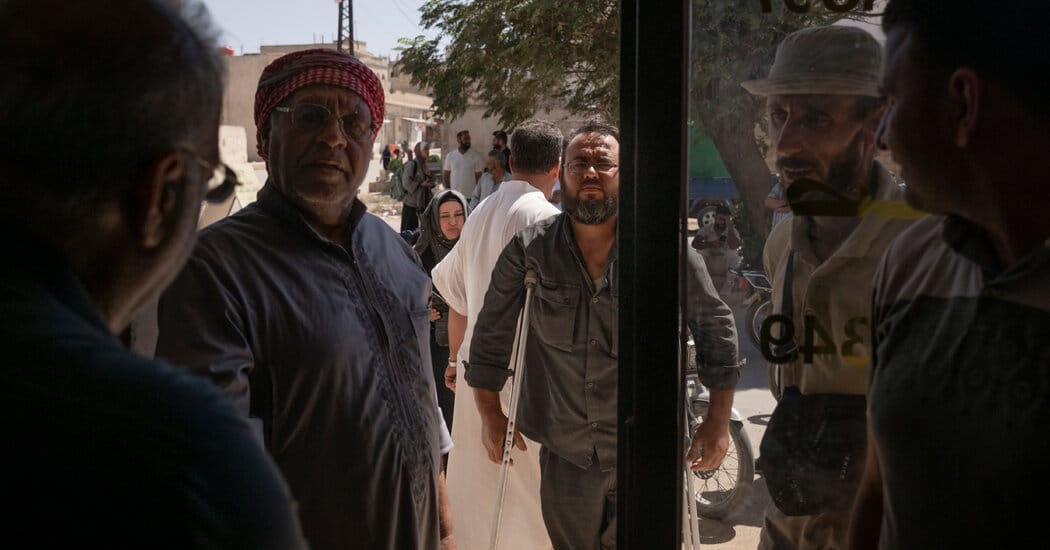
An Afghan start-up, HesabPay, is using a blockchain-based system to deliver humanitarian cash assistance abroad, allowing a farmer in Halfaya, northwestern Syria, to receive $500 on a plastic card to help restart her farm. HesabPay was developed in Afghanistan and has been used by the U.N.
refugee agency to support more than 86,000 families there. Mercy Corps donated the funds that reached the Syrian farmer and worked with HesabPay to expand the platform’s reach; programs for Sudan and Haiti are said to be in development. The company says it now manages more than 650,000 wallets in Afghanistan, about 50,000 of them in regular use, moving roughly $60 million a month in stablecoins backed by the afghani.
Since February 2025, the U.N. has delivered nearly $25 million via 80,000 digital wallets to returning Afghans, according to Carmen Hett of the refugee agency. In Syria, HesabPay wallets hold cryptocurrency backed by the U.S. dollar. Supporters say blockchain provides faster transfers, traceability and donor oversight, and HesabPay offers a real-time dashboard and compliance checks that can flag suspect transactions.
Critics and experts warn of risks — wallets can be closed for sanctions or political reasons and no system is entirely corruption-proof. The founder, Sanzar Kakar, created the service after Afghanistan’s financial collapse following the 2021 U.S.
Key Topics
Tech, Hesabpay, Afghanistan, Syria, Mercy Corps, U.n. Refugee Agency