
Ai Weiwei argues censorship reaches beyond authoritarian states in short book
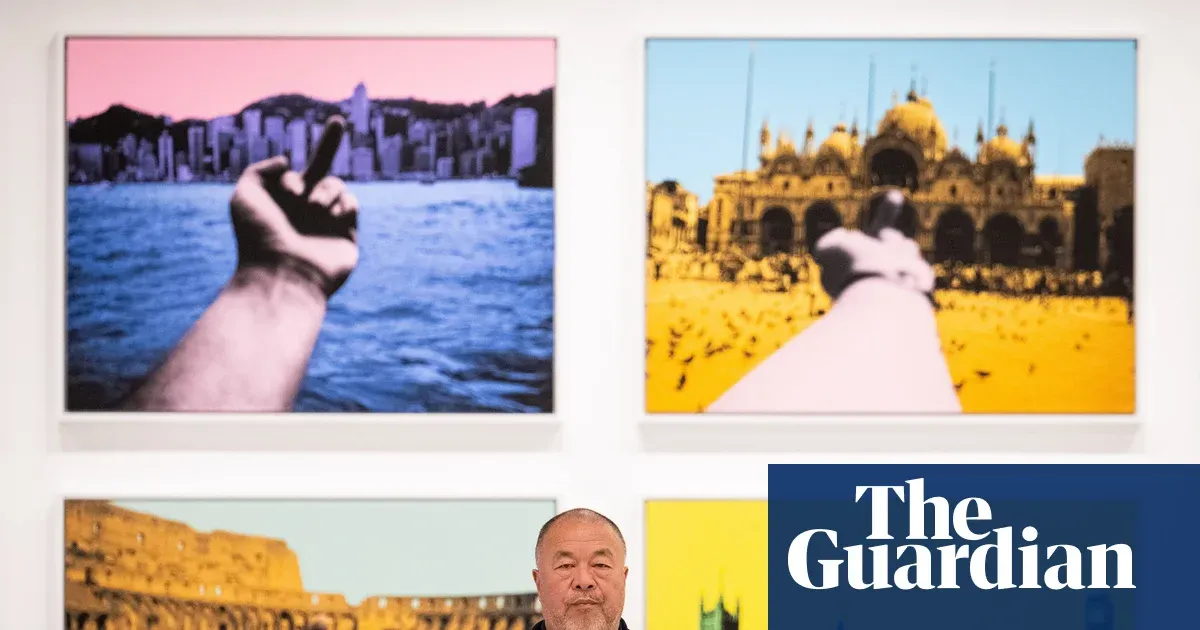
Ai Weiwei’s new book On Censorship, which runs to fewer than 90 pages, argues that censorship is not unique to China and is not confined to “countries defined as autocratic and authoritarian.” The artist contends that in the so‑called free world free speech can be a chimera, regulated through “more covert, more deceptive and more corrosive” means.
The Guardian review recalls Ai’s long history of provocation — from joining the Stars art group and its slogan “We Demand Political Democracy and Artistic Freedom”, to provocative works such as the Study of Perspective photographs, Dropping a Han Dynasty Urn and the 2000 Shanghai show titled Fuck Off.
The review also recounts past reprisals he has faced: a blog removed between 2005 and 2009, hacked email and bank accounts, a demolished studio complex, violent police treatment that required emergency brain surgery, and an 81‑day detention and house arrest. Ai describes censorship as “both an indispensable tool of mental enslavement and a fundamental source of political corruption,” and the book points out that concerns about censorship date back as far as the Shang dynasty, when a saying emerged about the state’s priorities.
The review highlights Ai’s reflections on artificial intelligence: friends say ChatGPT responds to mentions of his name with “Let’s talk about something else,” and the chatbot has disputed the authenticity of a selfie he took with Alice Weidel.
Key Topics
Culture, Ai Weiwei, On Censorship, Beijing, Shanghai, Chatgpt