
Alex Honnold’s live Taipei 101 climb reignites debate over death‑risk entertainment
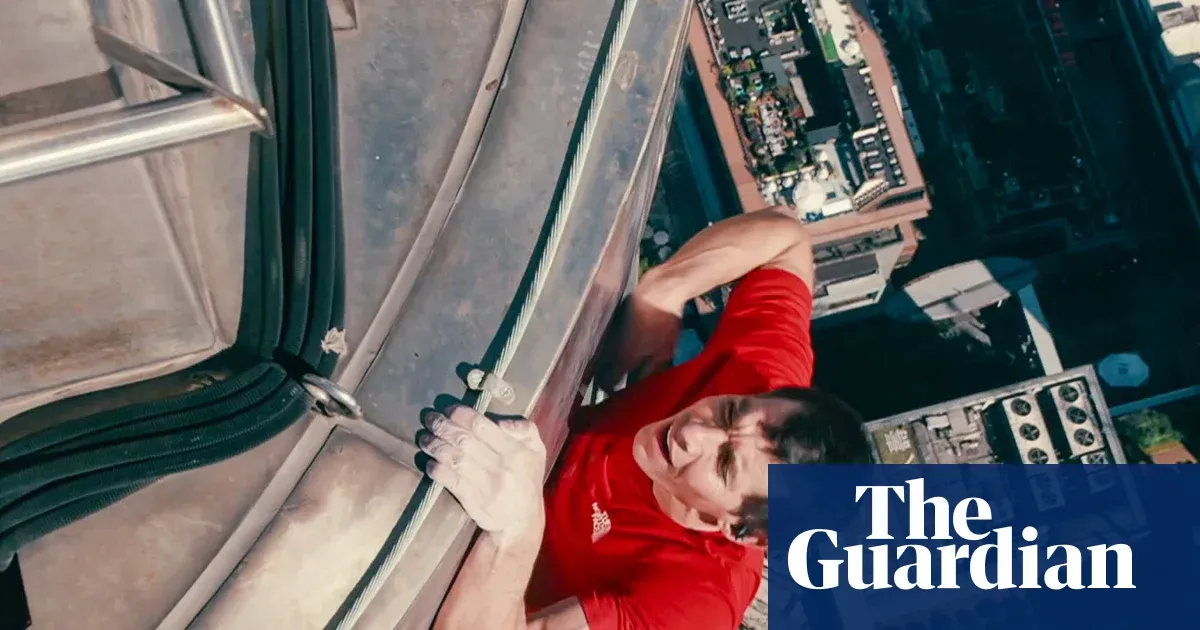
Netflix’s Skyscraper Live broadcast Alex Honnold’s unassisted ascent of the 508 metre Taipei 101, an event the Guardian said "may well qualify as the single most stressful viewing experience on record." The piece contrasted Skyscraper Live with Honnold’s feature documentary Free Solo, noting that Free Solo was a meticulously structured and edited account of an El Capitan ascent, while Skyscraper Live consisted of roughly an hour and a half of unedited footage.
The live format, the writer argued, heightened the perceived risk because the broadcast could not be retroactively reedited in the event of an accident. Viewers, the article said, found the hour-and-a-half runtime hard to sustain: much of the climb involved repeating the same movements, producing long stretches of boredom punctuated by moments of panic.
Taipei 101 itself was described as having three stages that ramped up in difficulty, including heights, overhangs and a section near the spire where Honnold climbed outward at a 45-degree angle; even watching him reach the summit produced a visceral reaction. The piece raised ethical questions about whether entertainment should be premised on the possibility that someone might die, comparing the broadcast to high‑risk live spectacles such as Felix Baumgartner’s 2012 Red Bull jump.
Key Topics
Culture, Alex Honnold, Skyscraper Live, Netflix, Free Solo, Felix Baumgartner