
Amtrak’s dynamic pricing draws passenger complaints as some fares rival airfares
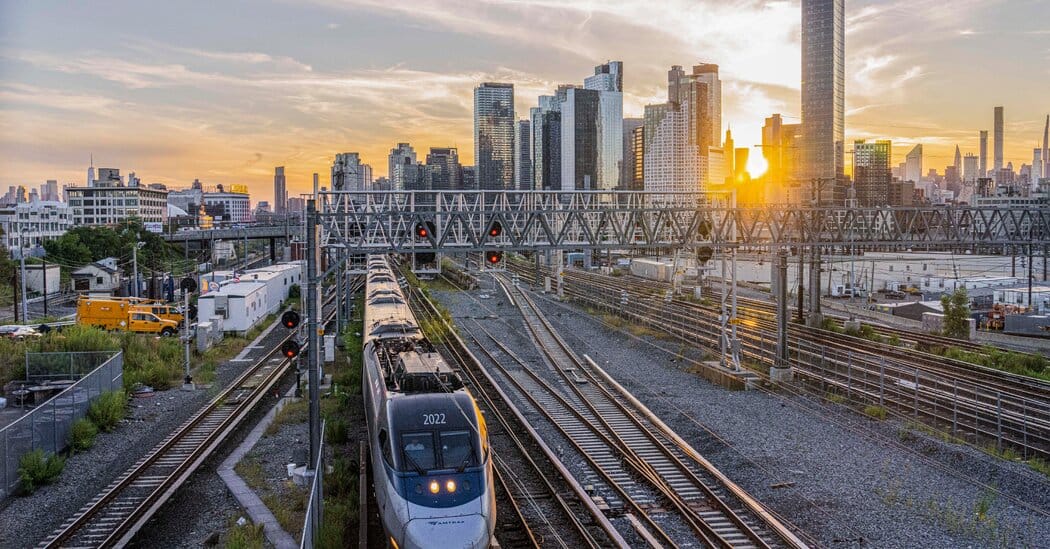
Amtrak has expanded its use of dynamic pricing as ridership rebounded after pandemic restrictions eased, and some passengers say train fares now sometimes match or exceed the cost of flying. Riders such as Leah Goodridge reported surprise at last-minute fares—she saw a $572 round-trip fare to Washington and found flights that cost less—while Amtrak says dynamic pricing has strengthened its finances.
The system rewards early planners and charges premiums for flexibility, with enticing advance fares sometimes available (for example, an $8 a.m. $35 fare to Wilmington or about $112 on the Acela to Boston). Amtrak reported about 35 million customer trips in the 2025 fiscal year, setting records for ridership and revenue for a second straight year, and its push into dynamic pricing has coincided with a $22 billion infusion from the 2021 infrastructure law.
Critics say a taxpayer-supported service should not behave like a “moody algorithm,” and consumer advocates have urged that higher fares should come with better reliability; supporters, including some frequent riders, say the pricing reflects economic reality and that Amtrak receives far less in subsidies than airlines.
Tension remains: Amtrak executives and some riders point to bargains and growing demand, while others worry about fairness and service quality.
Key Topics
Business, Amtrak, Dynamic Pricing, Acela, Leah Goodridge, Northeast Corridor