
Bazaar strike sparks nationwide protests but Iran lacks 1979-era alignments
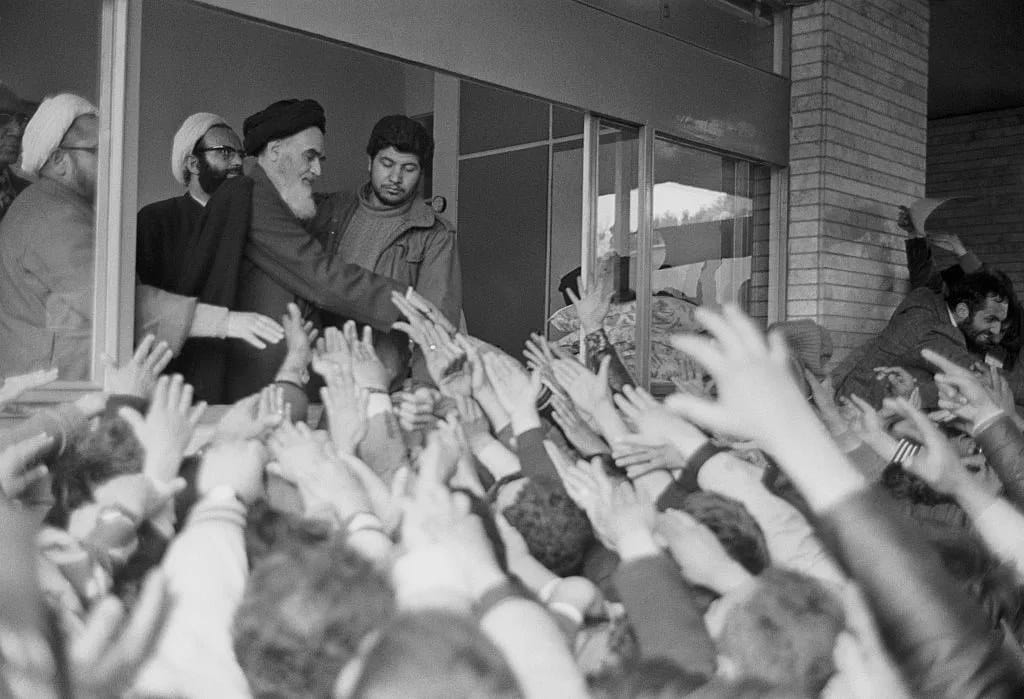
Time reports that merchants in Tehran’s Grand Bazaar refused to open their shops on Dec. 28 to protest steep inflation, a precipitous fall in the rial and bleak economic conditions, and that protests quickly spread to every province. Iranian authorities have blocked internet access, arrested thousands and killed hundreds of protesters, and President Donald Trump is weighing military strikes as demonstrations continue.
The piece says Iran’s economic collapse reflects eight years of U.S. policies combining comprehensive sanctions with covert operations, cyberattacks and military strikes that, while aimed at weakening the government, devastated ordinary Iranians and allowed elites tied to the Islamic Revolutionary Guard Corps to profit from sanctions evasion.
The rial has lost approximately 90% of its value against the dollar over the past year, a decline that accelerated after military strikes by the U.S. and Israel last summer, and oil revenues were severely constrained by renewed sanctions. The article notes the bazaar’s historic autonomy has been eroded as businesses grew dependent on state- and IRGC-linked networks; one bazaar merchant identified only as Ali said, "We closed our shops and we are demanding changes from the government.
Key Topics
World, Grand Bazaar, Iranian Rial, Irgc, Donald Trump, Woman Life Freedom