
Beatriz González, Colombian Painter of Political Life, Dies at 93
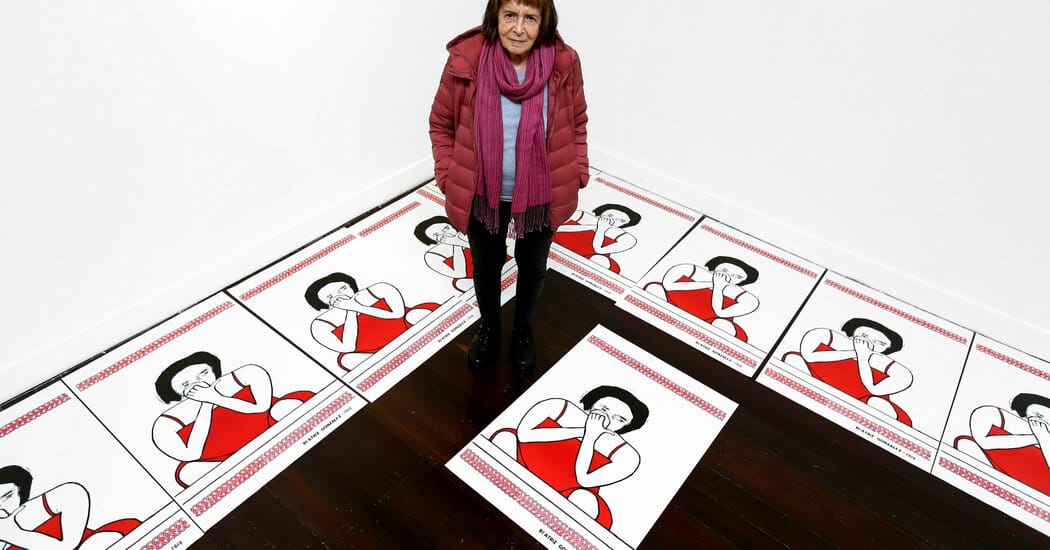
Beatriz González, a Colombian artist known for transforming mass-produced images into quietly subversive paintings that questioned her country’s social and political order, died on Jan. 9 at her home in Bogotá. She was 93, the death was announced in a statement by the office of the mayor of Bogotá and the Colombian culture ministry, which said her work "revolutionized the relationship between art, politics, memory and the city." Ms.
González was one of Latin America’s foremost late-20th-century artists, with exhibitions at Tate Modern in London; CAPC in Bordeaux; the Museum of Modern Art and Museo del Barrio in New York; and the Museum of Fine Arts, Houston. She often worked from cheap reproductions and newspaper photographs, addressing the violence of Colombian life, the influx of European high culture in poor reproductions and the commercial aesthetics of urban advertising.
Her early reputation rested on Los Suicidas del Sisga (1965), paintings based on a grainy newspaper photograph of a young couple who killed themselves. Later works include Los Papagayos (1987), which depicts President Belisario Betancur and his generals in aggressive colors, and a 1986 series, Sr.
Presidente Qué Honor Estar Con Usted En Este Momento Histórico, made after the government assault on the Palace of Justice in 1985. She also produced Los Delicios (1997) and the cemetery installation Auras Anónimas (2007–09) of 8,957 silhouettes inspired by a photograph of men carrying a wrapped corpse.
Key Topics
Culture, Beatriz González, Bogotá, Los Papagayos, Auras Anónimas, Belisario Betancur