
Béla Tarr, director of Sátántangó and Werckmeister Harmonies, has died
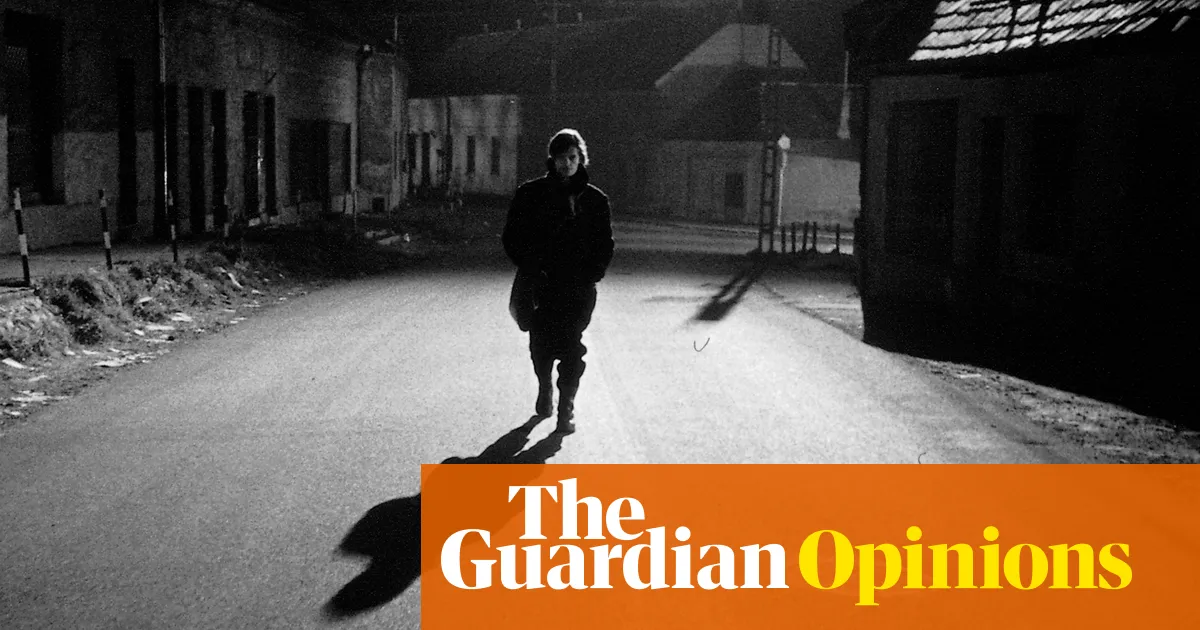
Hungarian filmmaker Béla Tarr, best known for the monochrome epics Sátántangó and Werckmeister Harmonies, has died, the outlet reports. He was widely associated with the “slow cinema” tradition and with intensely prolonged, glacially paced long takes. Tarr’s work pushed deliberate slowness to extremes, producing reactions ranging from incredulity to awe; his films combined bleakness with a corrosive, often dark comedy.
He frequently collaborated with co-director and editor Ágnes Hranitzky, and in person he was described as witty, deadpan and outspoken, including in his criticism of the intellectual mediocrity of the far right. After stepping back from filmmaking in 2011 he taught at a Sarajevo film school; in a 2024 interview he said, “My slogan is very simple: no education, just liberation!” Key works include his 1994 adaptation of László Krasznahorkai’s Sátántangó, a seven-and-a-half-hour black-and-white film about a village that follows a returned cult leader, and 2000’s Werckmeister Harmonies, a two-and-a-half-hour study of spiritual desolation adapted from Krasznahorkai’s The Melancholy of Resistance that centres on a community submitting to a mysterious “prince” who brings a circus with a giant dead whale.
Earlier films cited include 1988’s Damnation and 2007’s The Man from London; his final film was 2011’s The Turin Horse, co-written with Krasznahorkai. The report notes Tarr’s death came shortly after the Nobel prize for literature was awarded to Krasznahorkai.
Key Topics
Culture, Bela Tarr, Satantango, Werckmeister Harmonies, Laszlo Krasznahorkai, Agnes Hranitzky