
British Museum re-examines Hawaiian-British encounters through feathered treasures
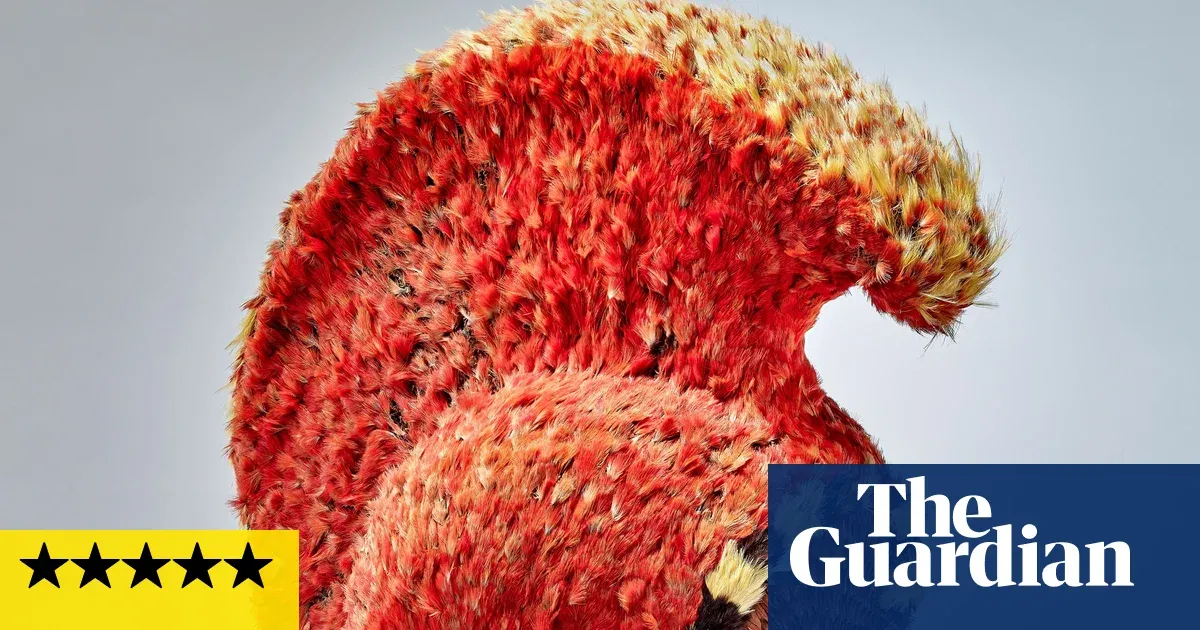
The British Museum’s exhibition Hawaii: A Kingdom Crossing Oceans presents Hawaiian objects from Cook’s voyages and later diplomatic exchanges, curated with input from indigenous Hawaiian curators, community leaders and artists. The show revisits the aftermath of the 1779 killing of James Cook at Kealakekua Bay, a death that has long divided anthropologists such as Marshall Sahlins and Gananath Obeyesekere.
Cook himself is not named on the gallery wall texts, but the objects his expeditions brought to Britain—giant feathered god heads with mother-of-pearl eyes, a shark‑toothed club, bowls carried by figures and a preserved 18th‑century dance rattle or ʻuliʻuli—carry his presence and the story of early contact.
Monarchy and diplomacy are central themes: in 1810 King Kamehameha I sent a feathered ʻahu ʻula cloak to George III (on loan from the Royal Collection) and, in 1824, King Liholiho and Queen Kamamalu travelled to Britain, received diplomatic honours and visited the British Museum where some of these feathered works were already on display.
The exhibition argues that these objects are living embodiments of Hawaiian memory and identity, showing a video of modern dancers using a recreated ʻuliʻuli and stressing preservation of delicate artworks over almost 250 years.
Key Topics
Culture, British Museum, Hawaiian Artifacts, Kamehameha I, King Liholiho, James Cook