
British Museum show presents samurai armour as artful, demonic warriors
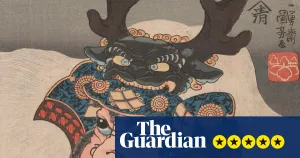
The British Museum’s exhibition presents Japan’s pre-modern samurai elite through armour, paintings and objects, tracing their rise from the 13th century to the abolition of the class in the 1800s, the Guardian review says. The review describes the armour as electric and alive: grimacing, moustached black face masks, full-body metal and fabric plating and helmet crests shaped like eagles, dragons, goblins and even a clenched metal fist.
One suit, lent by the Royal Collection and originally a gift to James VI of Scotland and I of England from a son of the second Tokugawa shōgun, is noted for its lacquer, silk, deerskin and metal and for projecting a clear, menacing message to Britain. Painted screens, scrolls and books depict samurai in action.
An Imamura Zuigaku Yoshitsugu battle scene shows a rider studded with arrows but protected by thick armour while his unarmoured horse bleeds; on the ground a warrior in glorious armour lies decapitated. Works by artists such as Katsushika Hokusai also appear in the displays. The exhibition also emphasises the samurai’s roles off the battlefield: Kano Eishun’s 19th-century painting shows a samurai pausing to smell flowers, and samurai are presented as prestigious patrons of Edo’s pleasure quarter.
A handscroll by Chōbunsai Eishi, Twelve Erotic Scenes in Edo, includes a scene of a samurai making love while women caress his unsheathed sword.
british museum exhibition, samurai armour, royal collection armour, gift to james i, tokugawa shōgun, imamura zuigaku yoshitsugu, katsushika hokusai, chōbunsai eishi handscroll, twelve erotic scenes in edo, edo pleasure quarter, yukio mishima display, seppuku ritual