
Canada will cut tariffs on a limited number of Chinese cars, worrying U.S. automakers
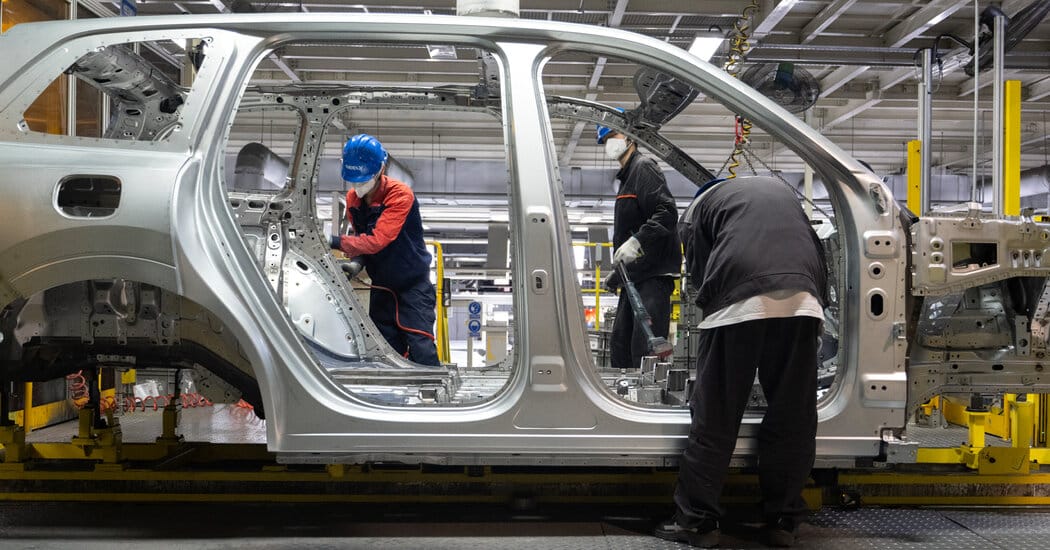
Canada has agreed to let a limited number of Chinese-made cars into its market at a lower tariff, a move announced on Jan. 16 in Beijing by Prime Minister Mark Carney. The plan would cut the tariff to 6.1 percent for up to 49,000 Chinese-made vehicles a year, down from roughly the current rate.
The decision comes as General Motors and Ford have been losing customers in Asia, Europe and Latin America while Chinese makers gain ground, and as U.S. trade policies have strained Canada’s auto industry, the article says. The number of Chinese vehicles eligible for the lower tariff will be small—less than 3 percent of the Canadian market—but industry consultants and executives described the change as "very symbolic and significant to the industry." China also agreed to lower tariffs on Canadian canola, and Mr.
Carney said China would make a "considerable investment into Canada’s auto sector" within three years. Some Chinese models arriving in Canada may be Teslas built in Shanghai, while brands new to Canada, such as BYD, would face a safety-approval process that could take more than a year.
U.S. commerce secretary Howard Lutnick criticized the deal, warning it could affect the North American trade agreement renegotiation, and auto-industry groups said the decision "has the potential to undermine Canada’s auto sector and presents risks to the future of the integrated North American auto supply chain." Ford declined to comment and G.M.
Key Topics
Business, Canada, Chinese Automakers, General Motors, Ford Motor, Tariff Reduction